Breathe Better: Breathing Techniques as a Natural Complement to Healthy Habits and Enhanced Well-Being


Breathe Better: Breathing Techniques as a Natural Complement to Healthy Habits and Enhanced Well-Being
Breathing is something we do thousands of times a day—usually without giving it a second thought. Yet the way we breathe has a profound impact on both our physical and mental well-being. In a time when many Americans are looking for natural ways to reduce stress, improve sleep, and boost energy, breathing techniques have become a simple, evidence-based complement to healthy living. Here’s how mindful breathing can help you feel more balanced and energized in your everyday life.
Why Your Breath Matters More Than You Think
Your breath influences everything from heart rate and blood pressure to focus and emotional balance. When you’re stressed, your breathing tends to become shallow and rapid, signaling to your body that it’s in “fight or flight” mode. In contrast, slow, deep breathing activates the parasympathetic nervous system—your body’s natural calming mechanism—helping you feel centered and at ease.
Research from institutions such as Harvard Medical School and the National Institutes of Health has shown that regular breathing exercises can reduce symptoms of anxiety, improve sleep quality, and even support immune function. The best part? It doesn’t require any special equipment—just awareness and a few minutes of practice.
Læs også:


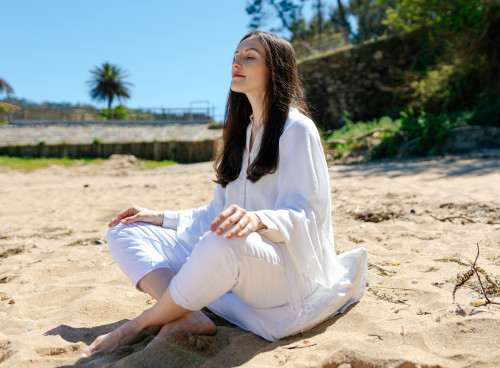

Learn to Breathe with Your Body, Not Just Your Chest
Many people breathe primarily from the chest, which limits oxygen intake and can create tension in the neck and shoulders. A more effective and relaxing approach is diaphragmatic breathing—using the diaphragm, the large muscle that separates the chest and abdominal cavities.
Try this simple exercise:
- Sit or lie down comfortably.
- Place one hand on your abdomen and the other on your chest.
- Inhale slowly through your nose, allowing your belly to rise while keeping your chest relatively still.
- Exhale gently through your mouth, feeling your belly fall.
Repeat for a few minutes. You’ll likely notice your body relaxing and your mind becoming clearer.
Three Techniques to Use in Everyday Life
There are many ways to practice mindful breathing. Here are three easy techniques you can incorporate into your daily routine—each with its own purpose:
- 4-7-8 Method – Inhale for 4 seconds, hold for 7 seconds, and exhale for 8 seconds. This technique is especially helpful for winding down before bedtime.
- Box Breathing – Used by athletes and even the U.S. Navy SEALs to maintain focus under pressure. Inhale for 4 seconds, hold for 4, exhale for 4, and hold again for 4. Repeat several times to regain calm and concentration.
- Nasal Breathing During Activity – Try breathing through your nose while walking, cycling, or doing light exercise. It improves oxygen efficiency and helps your body stay calm even during physical exertion.
Breathing as a Complement to Healthy Habits
Mindful breathing isn’t a cure-all, but it can amplify the benefits of other healthy habits. Combined with regular exercise, balanced nutrition, and good sleep, breathing exercises can help you manage stress and maintain focus throughout the day.
Many people find that consistent breathing practice makes it easier to stay grounded—whether at work, in traffic, or during family life. It’s a simple, natural way to create harmony between body and mind without major lifestyle changes.
Make It a Habit
Like any form of training, consistency is key. Start with just a few minutes a day—perhaps in the morning before getting out of bed or at night before sleep. You can also use these techniques during short breaks when you feel tense or fatigued.
Over time, you’ll notice that you naturally breathe more deeply and calmly, which can enhance your energy, focus, and overall mood.
A Simple Tool for Better Well-Being
Conscious breathing is one of the most accessible ways to support your well-being. It requires no special skills, and the benefits can be felt almost immediately. Whether you integrate breathing techniques into your workouts, mindfulness practice, or simply as a daily pause, they can help you find calm, clarity, and balance in the midst of a busy life.
Læs også: