Confident in the Water: How to Get Used to Your Wetsuit and New Movements

Confident in the Water: How to Get Used to Your Wetsuit and New Movements
Putting on a wetsuit for the first time can feel like stepping into a whole new world. The snug fit, the different range of motion, and the sensation of water against the neoprene all take some getting used to—both physically and mentally. But with a little patience and the right approach, your wetsuit will soon feel like a second skin. Here’s how to get comfortable with your gear and move naturally and confidently in the water.
Step One: Choose the Right Wetsuit
A great experience in the water starts with the right suit. Wetsuits come in a variety of thicknesses, cuts, and designs, and choosing the right one depends on both the water temperature and your activity.
- Thickness: For summer conditions in most U.S. coastal waters, a 3/2 mm suit (3 mm in the torso, 2 mm in the arms and legs) is usually ideal. For colder regions or winter sessions, go for 4/3 mm or thicker.
- Fit: The suit should be snug but not restrictive. Too loose, and you’ll lose warmth; too tight, and your movement and breathing will feel restricted.
- Zipper style: Front-zip suits often offer more flexibility for swimming and surfing, while back-zip suits are easier to get on and off.
Always try on your wetsuit before buying. Move your arms, bend forward, and take a few deep breaths. A good fit should feel supportive but not suffocating—like a flexible layer of protection rather than a straightjacket.
Getting It On Without a Struggle
Putting on a wetsuit can be a workout in itself, but a few tricks make it easier.
- Start with dry skin—it’s much easier to slide into the suit.
- Roll it on instead of pulling. Begin at your feet and work your way up slowly.
- Use plastic bags over your hands and feet if the suit is very tight.
- Avoid tugging on seams—use flat hands to protect the neoprene from tearing.
Once the suit is on, adjust it so the material sits evenly without folds or wrinkles. This improves comfort, flexibility, and warmth.
Getting Used to the Feel
The first few minutes in a wetsuit can feel strange. The material compresses your body, and the initial rush of cold water can be a shock. But that thin layer of water between your skin and the neoprene is what keeps you warm—it quickly heats up from your body temperature.
Start with short sessions in the water. Enter gradually, letting your body adjust to the temperature. Move slowly and focus on steady breathing. Within minutes, you’ll feel your body relax, and the wetsuit will start to feel like part of you.
New Movements, New Habits
Moving in a wetsuit changes how your body behaves in the water. The neoprene adds resistance, especially around the shoulders and hips, and it also increases buoyancy. That means you’ll need to adjust your technique slightly—but it also makes you more efficient once you adapt.
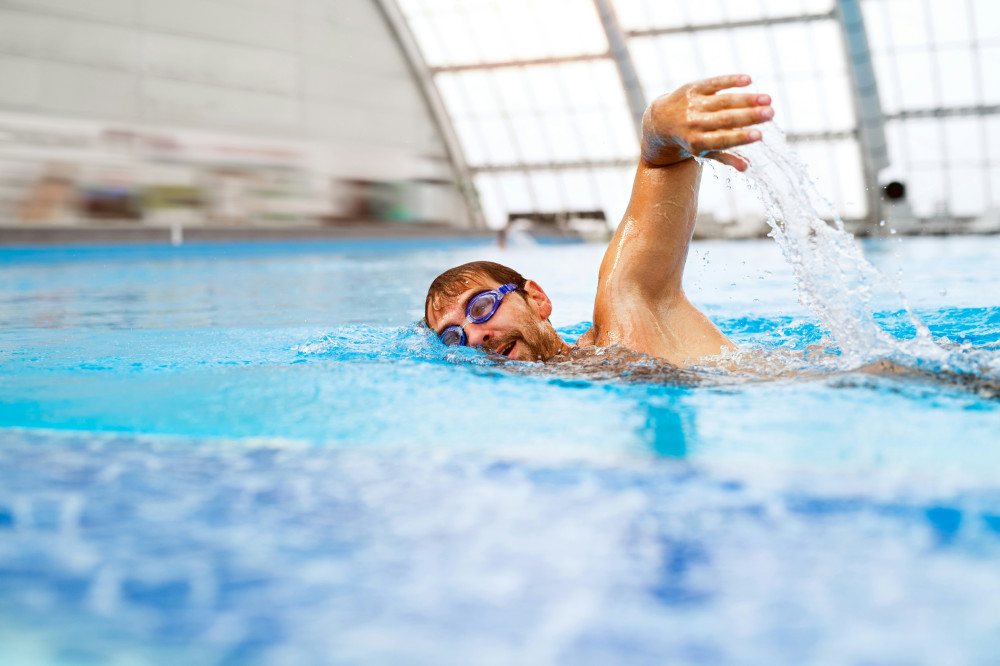
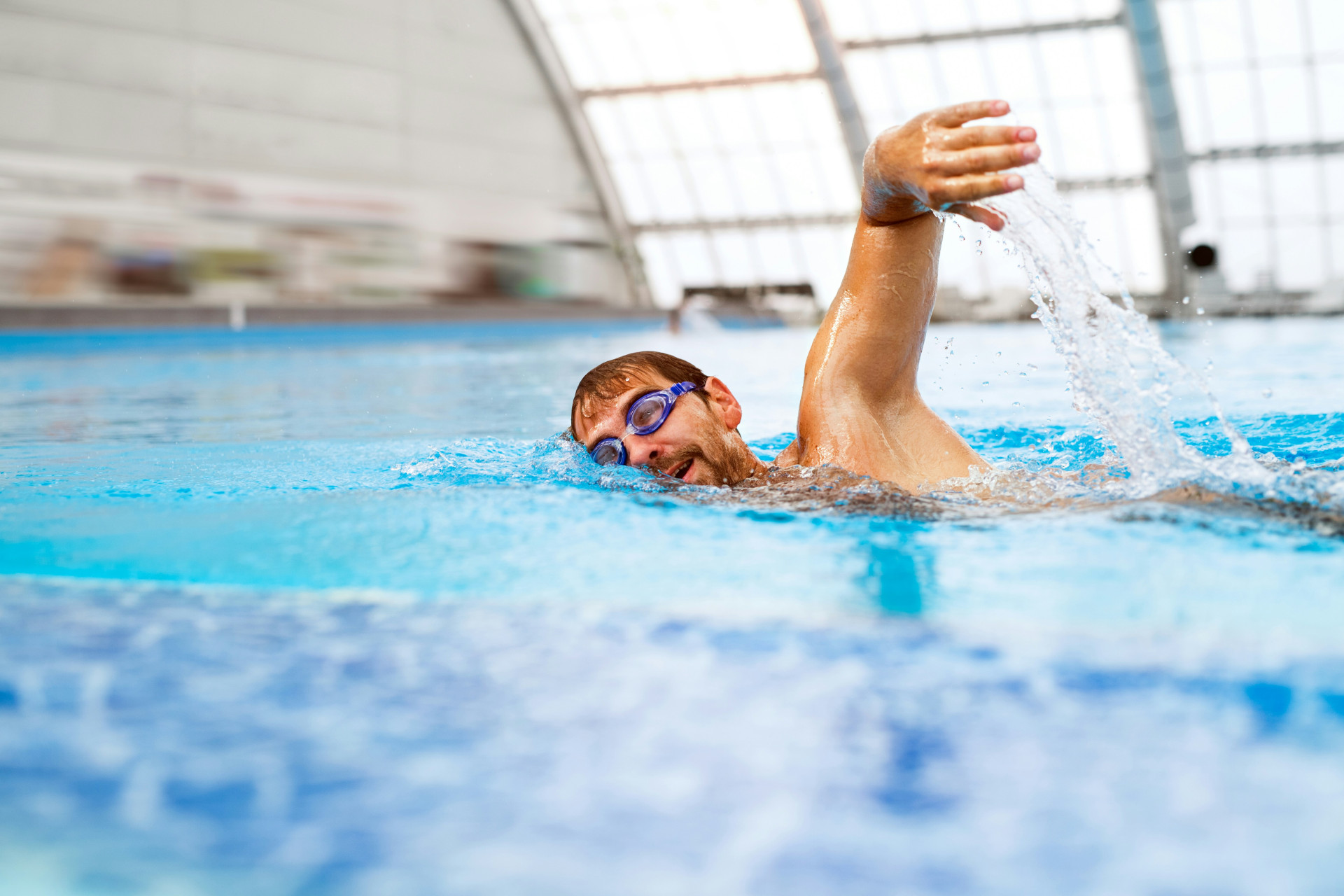
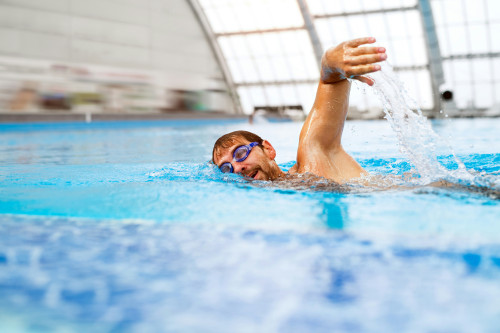
- For swimming: Focus on long, smooth strokes and a steady rhythm. Don’t fight the suit—let your movements flow naturally.
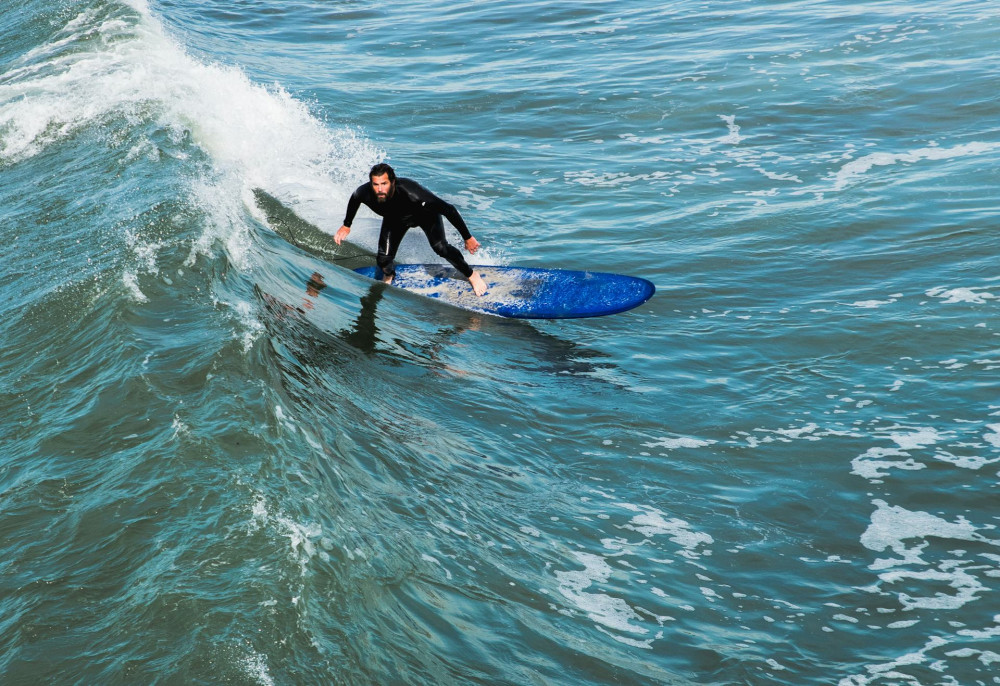
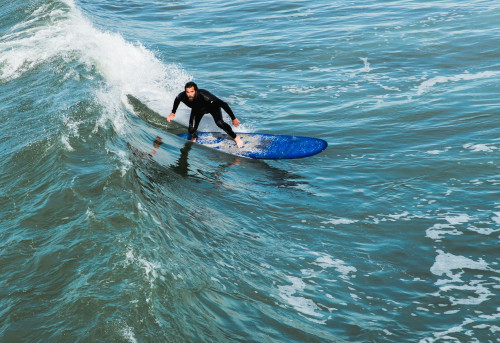
- For surfing: Practice paddling with short, controlled strokes. Overpowering your arms will only tire you out faster.
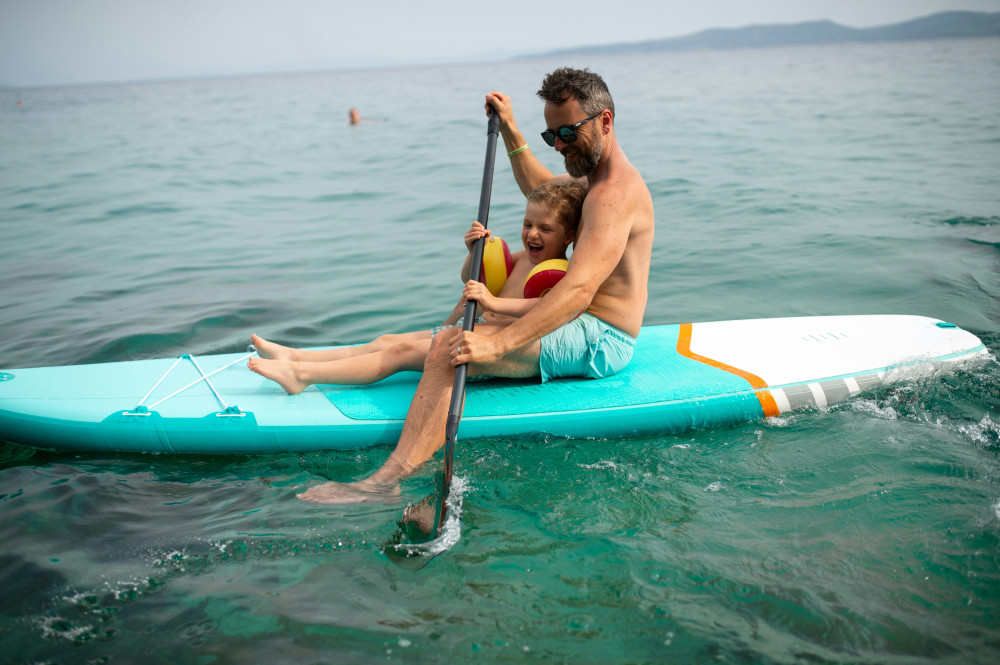
- For diving or snorkeling: Take time to find your balance between buoyancy and movement. The wetsuit helps you float, but you’ll need to fine-tune your technique for control.
The more time you spend in your wetsuit, the more natural it will feel. After a few sessions, you’ll hardly notice you’re wearing it.
Care and Maintenance
A good wetsuit can last for years if you take care of it. Always rinse it in fresh water after use, and hang it to dry in the shade—direct sunlight can damage the neoprene. Turn it inside out to help it dry faster.
Avoid leaving your wetsuit crumpled in a hot car or sealed in a wet bag. That can cause odors and shorten its lifespan. Think of your wetsuit as an investment—proper care will keep it performing season after season.
Læs også:


Confidence Through Experience
Feeling confident in the water isn’t just about gear—it’s about experience. The more time you spend in the ocean, lake, or river, the more you’ll understand your body and the environment. Start in calm conditions and gradually take on more challenging situations. Consider taking a surf lesson, open-water swim class, or paddleboarding course to build both skill and confidence.
Once you’ve gotten used to your wetsuit and the new movements it requires, a whole world of water adventures opens up—surfing, open-water swimming, diving, or paddleboarding. With the right mindset and preparation, you’ll not only stay warm and safe but also feel truly confident in the water.
Læs også: