Massage and Recovery: How It Can Relieve Soreness and Tension

Massage and Recovery: How It Can Relieve Soreness and Tension
After an intense workout or a long day at the office, your muscles can feel tight, sore, and heavy. Many people find that massage is an effective way to ease discomfort and support recovery. But what actually happens in your body during a massage, and how can you make it part of your recovery routine? Here’s a closer look at how massage can help you bounce back faster and feel more balanced.
What Massage Does for the Body
Massage isn’t just about relaxation—it also has measurable effects on the body. When muscles are worked through pressure and rhythmic strokes, blood flow to the tissues increases. This helps flush out waste products like lactic acid while delivering oxygen and nutrients to the muscles. The result is reduced tension and a faster healing process after physical exertion.
Massage also influences the nervous system. Gentle touch and repetitive movements activate the parasympathetic nervous system—the part responsible for rest and recovery. This can lower your heart rate, reduce stress hormones, and create a sense of calm that supports both physical and mental restoration.
Different Types of Massage and When They Work Best
There are many types of massage, each with its own purpose. Here are some of the most common ones used for recovery:
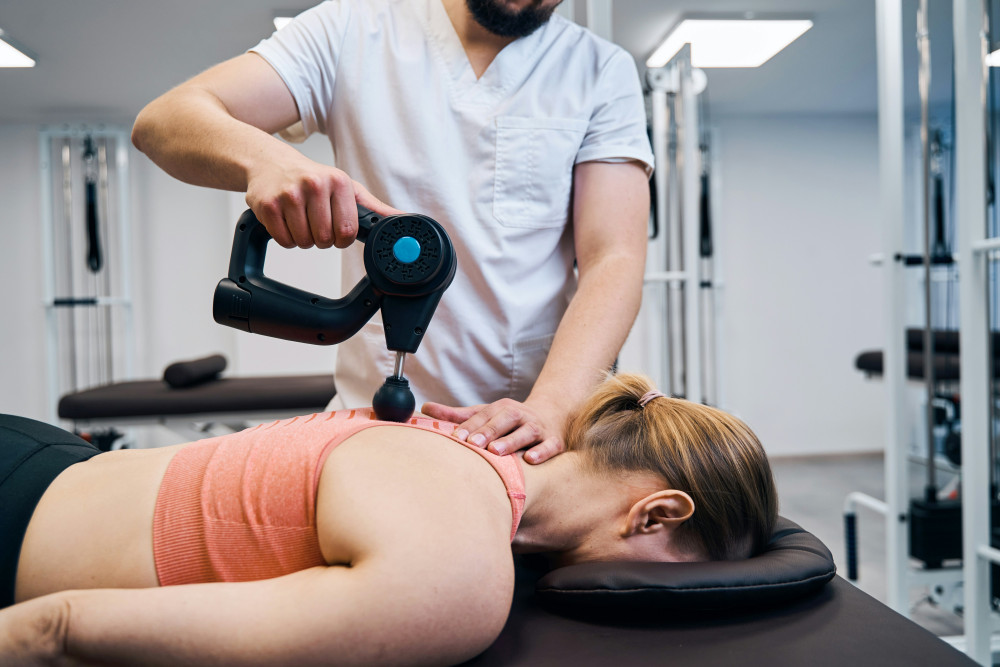
- Sports massage – A deep, targeted treatment for muscles that have been under heavy strain. It can help release tightness and prevent injuries.
- Swedish massage – A classic form that combines light and firm strokes to improve circulation and ease general muscle soreness.
- Trigger point therapy – Focuses on specific knots or “trigger points” in the muscles that cause localized pain and stiffness.
- Relaxation massage – Uses gentle pressure and slow movements to promote overall relaxation and stress relief.
The right type of massage depends on your needs. After a tough workout, a light massage the next day may be best, while deeper work is more suitable once acute soreness has subsided.
Making Massage Part of Your Recovery Routine
Massage should be seen as a complement to other recovery methods—not a replacement. Sleep, nutrition, and active recovery (like stretching or light movement) remain essential. But massage can be the extra element that helps your body release tension and restore mobility.
If you train regularly or spend long hours sitting, scheduling massages on a consistent basis can make a big difference. Even short sessions of 10–15 minutes can be beneficial when done regularly.
Self-Massage and Simple Tools
You don’t always need a professional therapist to enjoy the benefits of massage. With a few simple tools, you can take care of sore muscles yourself:
- Foam roller – Great for larger muscle groups like thighs, glutes, and back.
- Massage ball – Perfect for smaller areas such as shoulders, calves, or feet.
- Massage gun – Provides deep, percussive vibrations that can boost circulation and release tight spots.
When doing self-massage, listen to your body. The pressure should feel comfortable—not painful. Move slowly and focus on areas that feel tight or tender.
The Mental Side of Massage
Massage isn’t only about muscles—it also affects the mind. Many people experience a sense of calm and mindfulness during a session, something that can be hard to find in a busy day. This mental relaxation supports recovery too, since stress and physical tension often go hand in hand.
Taking time for massage can therefore be seen as an investment in both physical and mental well-being. It’s a moment to pause, reconnect with your body, and give it the care it deserves.
When to Be Cautious
While massage is generally safe, there are times when you should be careful. Avoid massage if you have acute injuries, inflammation, or fever. If you’re unsure, consult a healthcare provider or physical therapist before getting treatment.
Læs også:




A Natural Path to Better Recovery
Massage isn’t a miracle cure, but it’s a powerful tool to support your body’s natural recovery process. Combined with good sleep, balanced nutrition, and regular movement, it can help reduce soreness, prevent injuries, and leave you feeling ready for your next workout—or simply for everyday life.
Læs også: