Mental Focus in Long-Range Shooting: Train Calmness, Patience, and Sharp Concentration

Mental Focus in Long-Range Shooting: Train Calmness, Patience, and Sharp Concentration
Long-range shooting is about far more than ballistics, optics, and trigger control. The mental side of the sport is what often separates a good marksman from a great one. The ability to stay calm, patient, and fully concentrated under pressure is essential when you’re trying to hit a target hundreds of yards away. In this article, we’ll explore how to train your mental focus—and why a steady mind is just as important as a steady rifle.
Shooting as a Mental Discipline
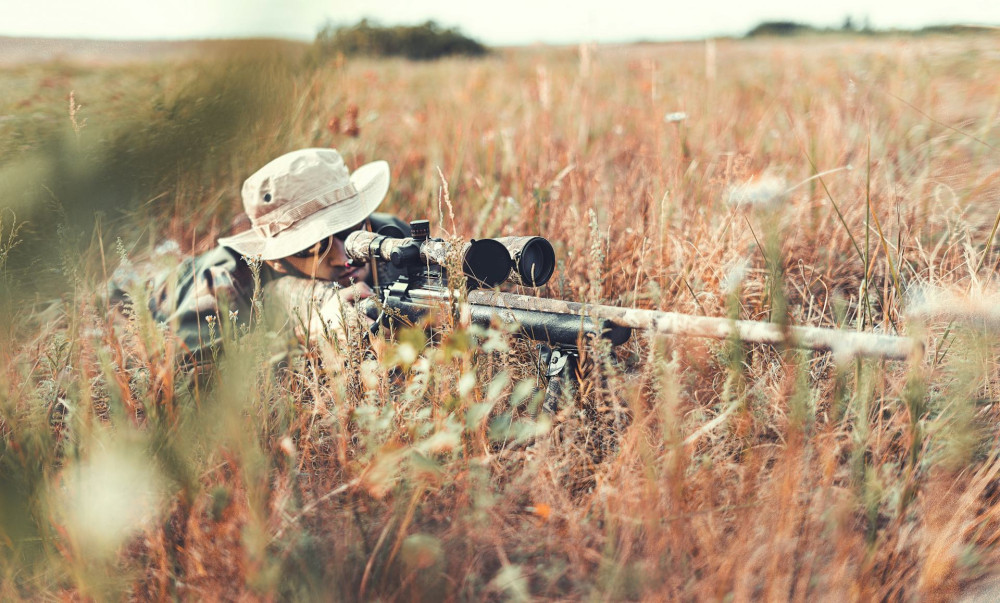
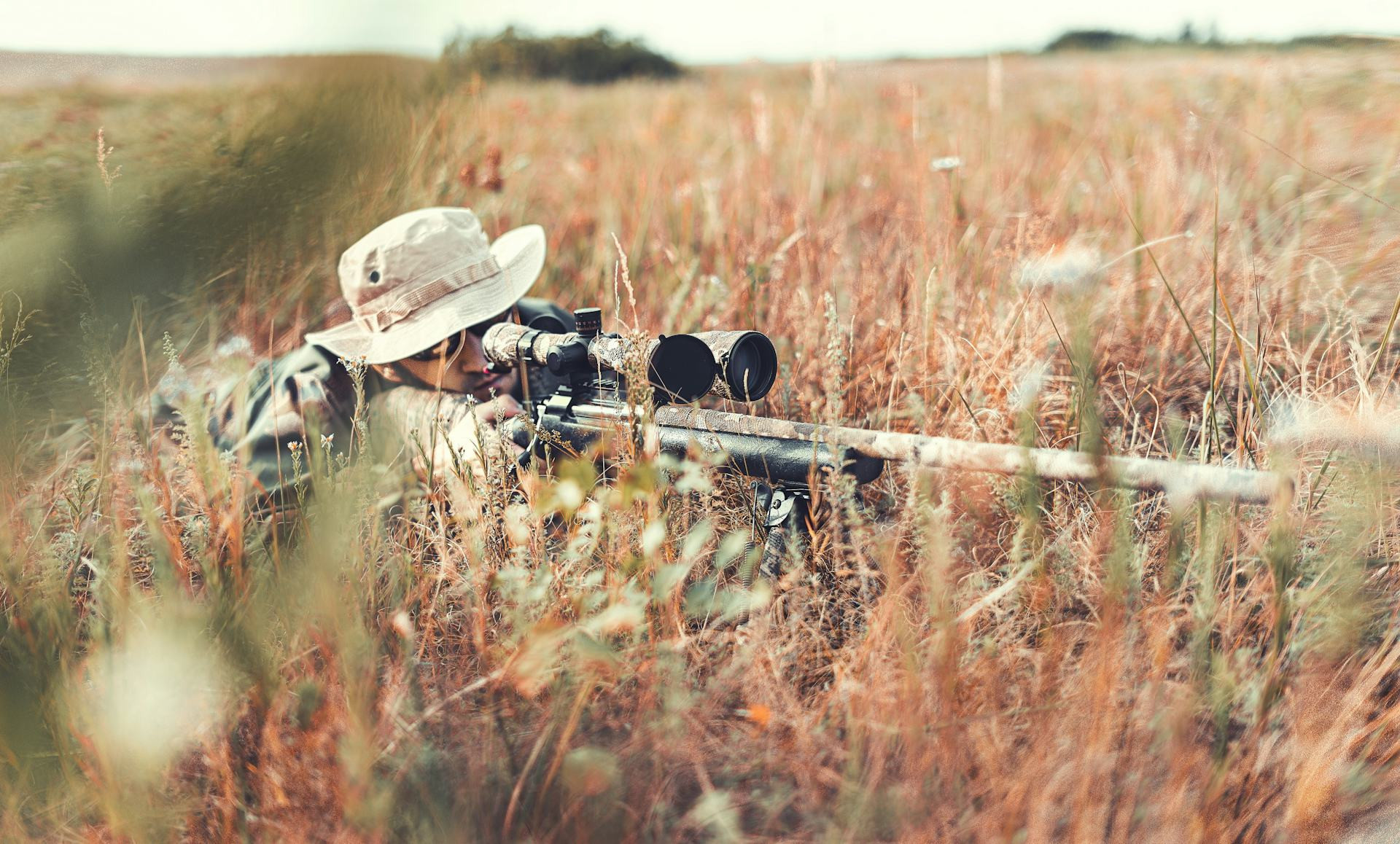
When you settle behind your rifle, it’s not just your hands that need to be steady—your mind must be, too. Long-range shooting demands a special kind of presence, where your attention is anchored in the moment. Thoughts about previous shots or upcoming scores can easily disrupt your concentration and affect your accuracy.
Many experienced shooters describe the act of shooting as a form of meditation. The rhythm of breathing, the repetition of movements, and the focus on a single point create a calm state that shuts out distractions. In that space, body and mind work together in perfect balance.
Training Calmness—On and Off the Range
Calmness doesn’t appear on command; it’s something you have to train, just like your shooting technique. Developing mental stability can be done through breathing exercises, visualization, and mindfulness.
- Breathing control: Practice slow, deep breathing, especially when you feel pressure building. A steady breath lowers your heart rate and helps you maintain focus.
- Visualization: Before taking a shot, picture the entire process—your position, your sight picture, your trigger press. This mental rehearsal prepares your body and builds confidence.
- Mindfulness: Short exercises in awareness can help you let go of distractions. Focus on the sound of the wind, the feel of the ground beneath you, or the rhythm of your breath.
By integrating these techniques into your training routine, calmness becomes second nature—even when competition or conditions get tough.
Læs også:
Patience—The Art of Waiting for the Right Moment
Long-range shooting rewards those who can wait. Wind, light, and heart rate all play a role, and it takes patience to find the perfect moment to break the shot. Many shooters make the mistake of rushing because they feel time pressure or performance anxiety.
Training patience means accepting that you can’t control everything. You can prepare, but you can’t command the wind. You can adjust your scope, but you can’t change the terrain. Once you accept these limits, you become more relaxed—and your shots more precise.
A valuable exercise is to practice aborting a shot if it doesn’t feel right. It takes discipline, but it teaches you to trust your instincts and wait for the right conditions.
Sharp Concentration—Staying Focused Through Every Round
A shooting session can last a long time, and maintaining concentration throughout is a challenge. Fatigue, wandering thoughts, and small lapses can creep in. That’s why it’s important to have strategies for sustaining focus.
- Break it down: Think in small segments rather than the entire string of shots. It makes the task more manageable.
- Build a routine: Repeat the same sequence of checks and movements before each shot. A consistent routine creates stability and confidence.
- Take mental breaks: Short pauses between shots help you reset and maintain clarity.
Concentration is like a muscle—the more you train it, the stronger it becomes. Over time, you’ll find it easier to stay focused, even under competitive pressure.
When Mind and Technique Work as One
The best shots happen when your technical skill and mental state merge seamlessly. The rifle no longer feels like a tool but an extension of yourself. Reaching that level takes time, experience, and deliberate mental training—but it’s what many shooters describe as the ultimate goal.
By developing your mental focus, you not only become a better marksman—you also gain greater self-awareness. The calmness you cultivate on the range can carry into everyday life, where patience and concentration are just as valuable.
Læs også: