Organize Your Golf Bag Like a Pro: How to Choose the Right Clubs for Every Situation

Organize Your Golf Bag Like a Pro: How to Choose the Right Clubs for Every Situation
A well-organized golf bag isn’t just about keeping things tidy—it’s about strategy. When you know exactly where each club is and when to use it, you can focus entirely on your game. Whether you’re new to golf or have been playing for years, a thoughtfully arranged bag and a smart club selection can make a noticeable difference in your score. Here’s how to organize your golf bag like a pro and choose the right clubs for every situation.
Know Your Bag – and How to Set It Up
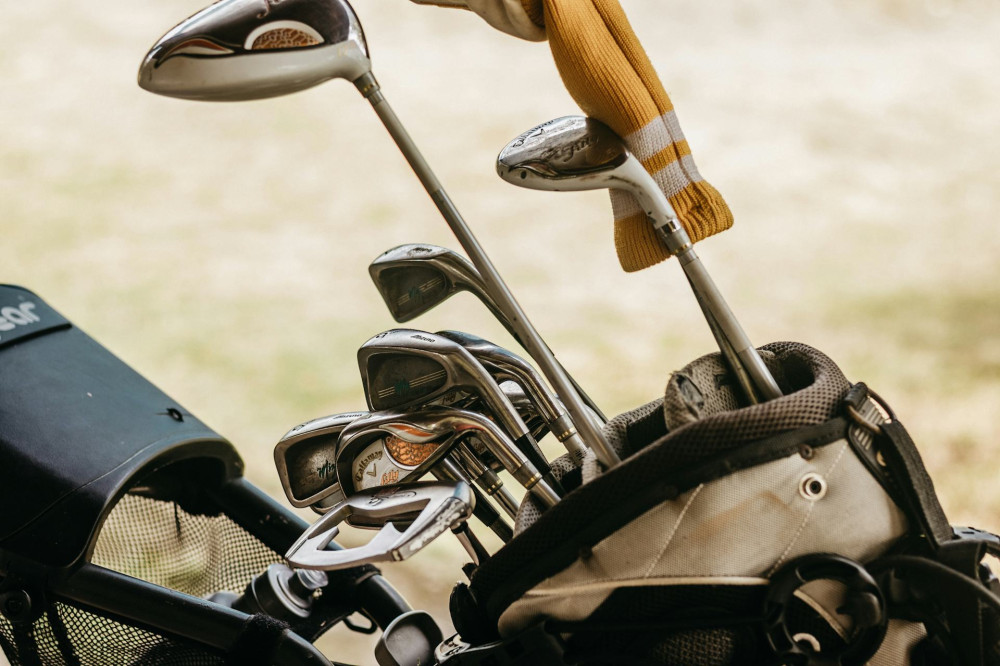
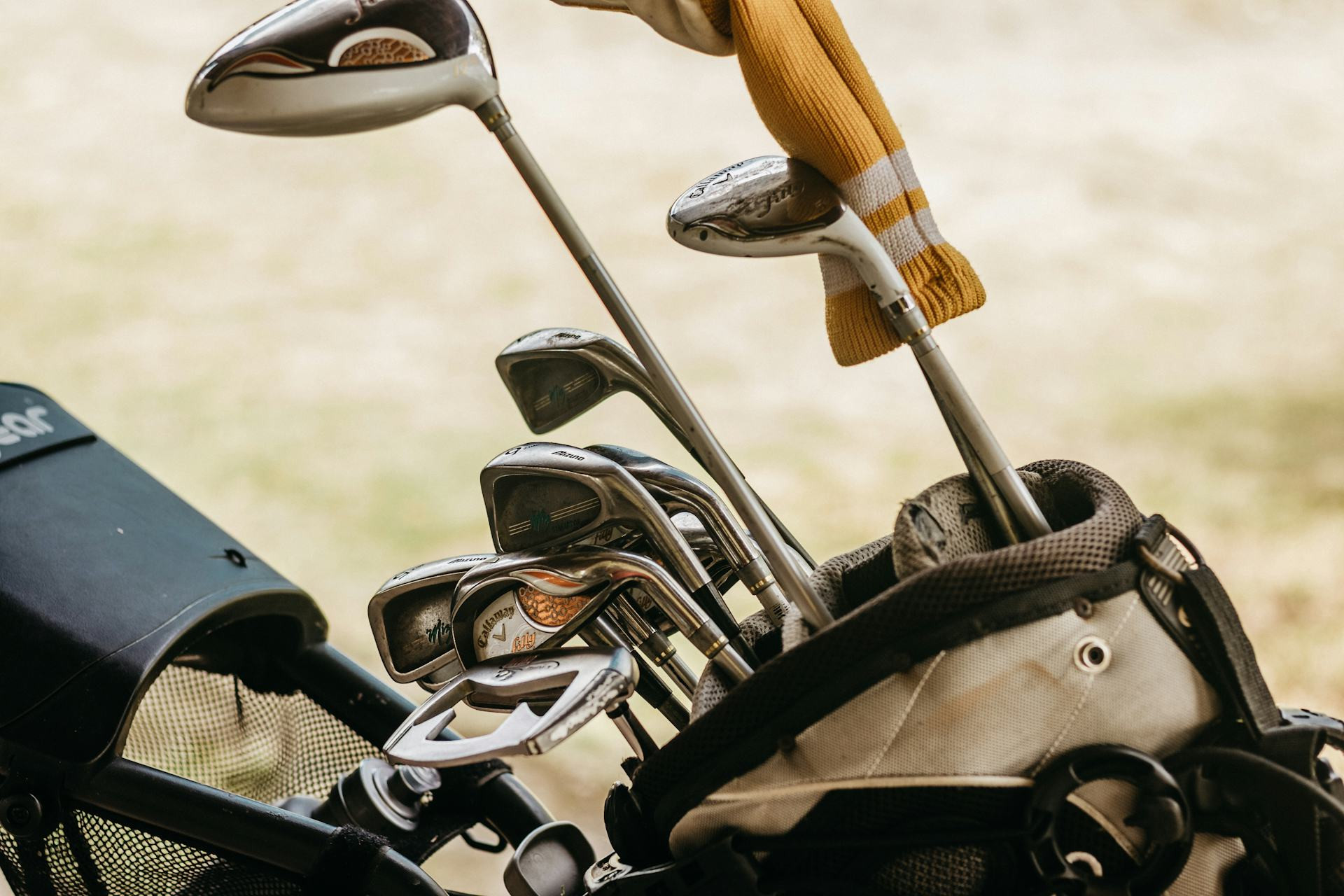
Most golf bags are designed to hold 14 clubs, which is the maximum allowed under USGA rules. A good rule of thumb is to arrange your clubs by length and purpose:
- Driver and fairway woods at the top – the longest clubs, used from the tee or for long fairway shots.
- Hybrids and irons in the middle – your versatile clubs for controlled approach shots.
- Wedges and putter at the bottom – the shortest clubs, used for precision shots around and on the green.
Keeping your clubs in a consistent order saves time and helps you stay focused on your swing instead of rummaging through your bag.
The Driver – Setting Up for Success
Your driver is your distance weapon, typically used from the tee on par 4s and par 5s. The right loft (usually between 9° and 12°) and shaft flex can help you find the perfect balance between distance and control.
If you tend to slice or hook your drives, consider a driver with an adjustable hosel or a more forgiving head design. Remember, it’s not always about hitting the longest drive—it’s about hitting the fairway.
Fairway Woods and Hybrids – Bridging the Gap
Fairway woods, such as a 3-wood or 5-wood, are ideal for long shots from the fairway or tee when you want more control than a driver offers. They’re also great for reaching par 5s in two shots.
Hybrids have become a favorite among modern golfers because they combine the distance of woods with the accuracy of irons. They’re easier to hit than long irons and can help you get out of tricky lies. Carrying one or two hybrids can give you flexibility across a variety of situations.
Læs også:



Irons – The Core of Your Game
Irons are the backbone of your set. They’re used for approach shots from the fairway, rough, or even from the tee on shorter holes. A standard set includes 5–9 irons, but many players customize their setup based on their strengths.
- Long irons (3–5): For longer shots that need a lower trajectory and more roll.
- Mid irons (6–7): For medium-distance shots with a balance of distance and control.
- Short irons (8–9): For precise approach shots that need height and stopping power.
If you struggle with consistency on long irons, replacing them with hybrids can make your game more forgiving—many pros do the same.
Wedges – Your Scoring Tools Around the Green
Wedges are your go-to clubs for short shots, chips, and bunker play. Understanding their lofts and uses can help you make smarter decisions near the green.
- Pitching wedge (PW) – 44–48°, for full shots from shorter distances.
- Gap wedge (GW) – 50–54°, fills the distance gap between your PW and SW.
- Sand wedge (SW) – 54–58°, perfect for bunker shots and high, soft landings.
- Lob wedge (LW) – 58–60°, for high, short shots over hazards or tight lies.
Knowing the loft and purpose of each wedge helps you control distance and trajectory with confidence.
The Putter – Your Most Important Club
The putter is the club you’ll use most often, and it’s all about feel and confidence. There are many styles—blade, mallet, and mid-mallet—and the best one is the one that feels natural in your hands.
Consider getting your putter fitted for length and lie angle. Even small adjustments can improve your stroke consistency and help you sink more putts.
Organization and Maintenance
A professional-looking golf bag isn’t just about club selection—it’s also about upkeep. Keep your grips clean, check for shaft damage, and make sure your clubs are dry after each round. Use the bag’s pockets to separate balls, tees, gloves, and rain gear so everything has its place.
A good habit is to empty your bag after every round—remove old balls, trash, and unnecessary gear. It keeps your bag lighter and more organized for your next outing.
Customize Your Bag to Fit Your Game
There’s no one-size-fits-all setup. Your ideal club mix depends on your playing style, skill level, and the courses you frequent. Some golfers prefer extra wedges for short-game precision, while others carry more woods for distance.
A custom fitting session with a professional can be a game-changer. By analyzing your swing speed, launch angle, and ball flight, a fitter can recommend clubs that match your unique swing. It’s an investment that can quickly pay off in better performance and more enjoyable rounds.
Play Like a Pro – With Structure and Confidence
When you know your clubs and have your bag organized, you’ll feel more confident and focused on the course. You’ll know exactly which club to reach for and how it will perform—and that’s what separates great players from the rest.
A well-organized golf bag isn’t just about equipment—it’s about mental clarity. It’s the foundation for a game where you can focus on what truly matters: enjoying every shot.
Læs også: