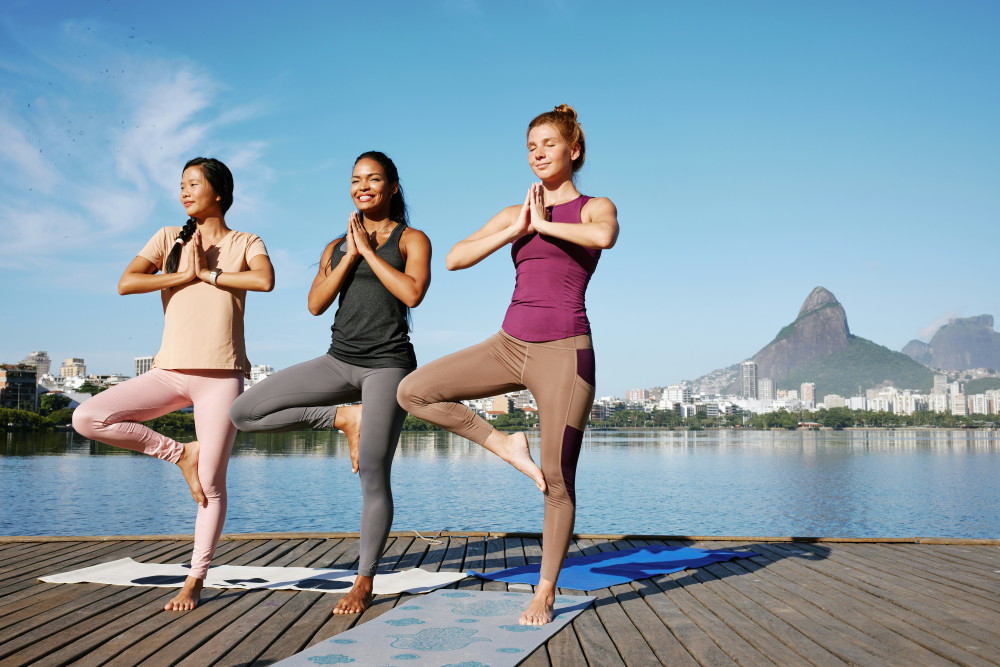
Balance in Everyday Life: Find Your Natural Rhythm Between Activity and Rest with Yoga

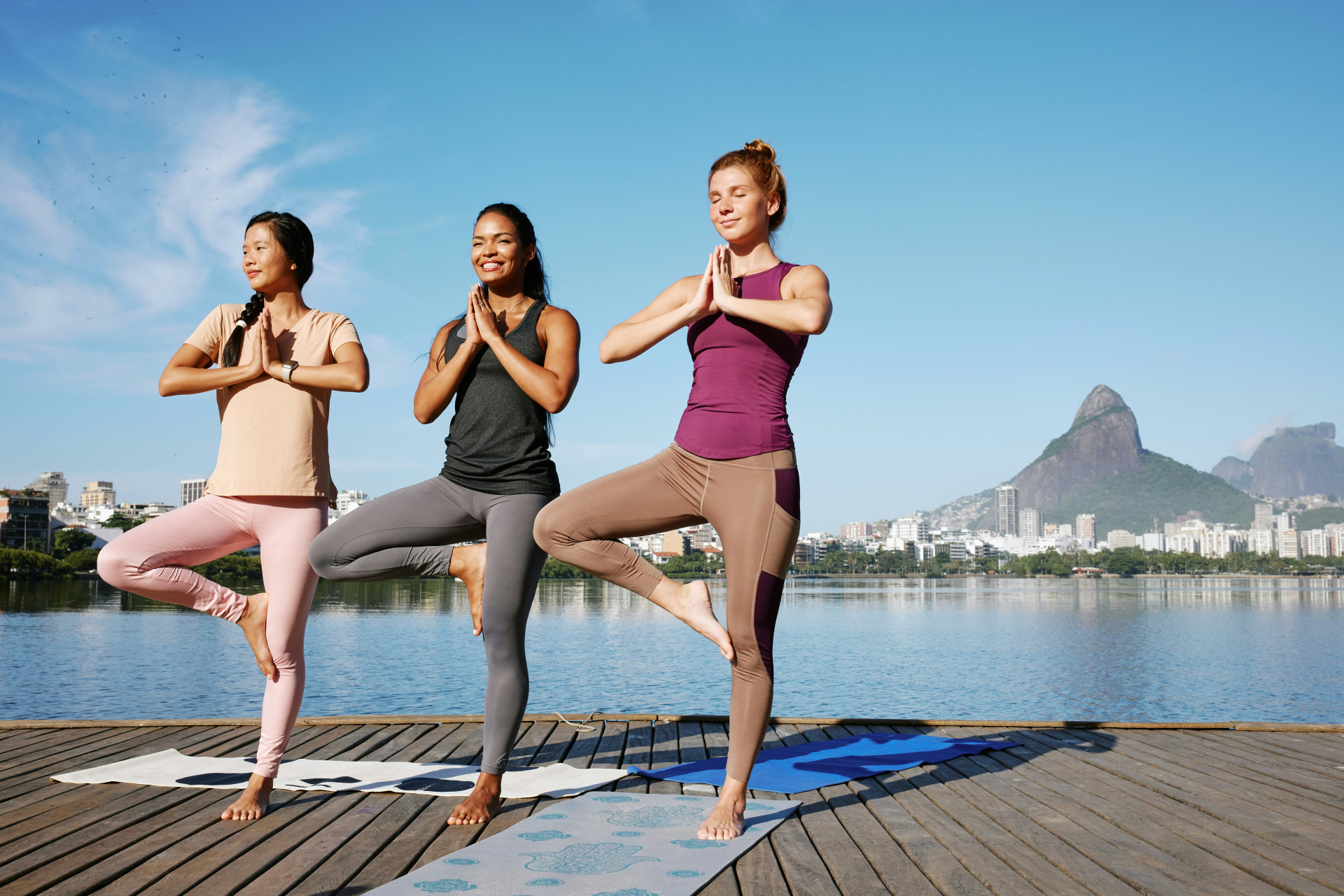
Balance in Everyday Life: Find Your Natural Rhythm Between Activity and Rest with Yoga
In today’s fast-paced world, finding balance between doing and being can feel like a challenge. Many Americans juggle work, family, and social commitments, often leaving little time for rest. Yoga offers a way to reconnect with your body’s natural rhythm — the ebb and flow between activity and relaxation that supports both physical and mental well-being.
The Body’s Natural Rhythm
Our bodies thrive when we alternate between movement and rest. Physical activity releases energy and tension, while rest allows for recovery and reflection. Yet, modern life often pushes us toward extremes — either sitting for long hours or staying constantly on the go.
Yoga is built on the principle of balance. Through physical postures (asanas), breathing techniques (pranayama), and meditation, you learn to listen to your body and find a pace that feels right for you. It’s not about performance or perfection, but about creating harmony between body, mind, and breath.
Mindful Movement
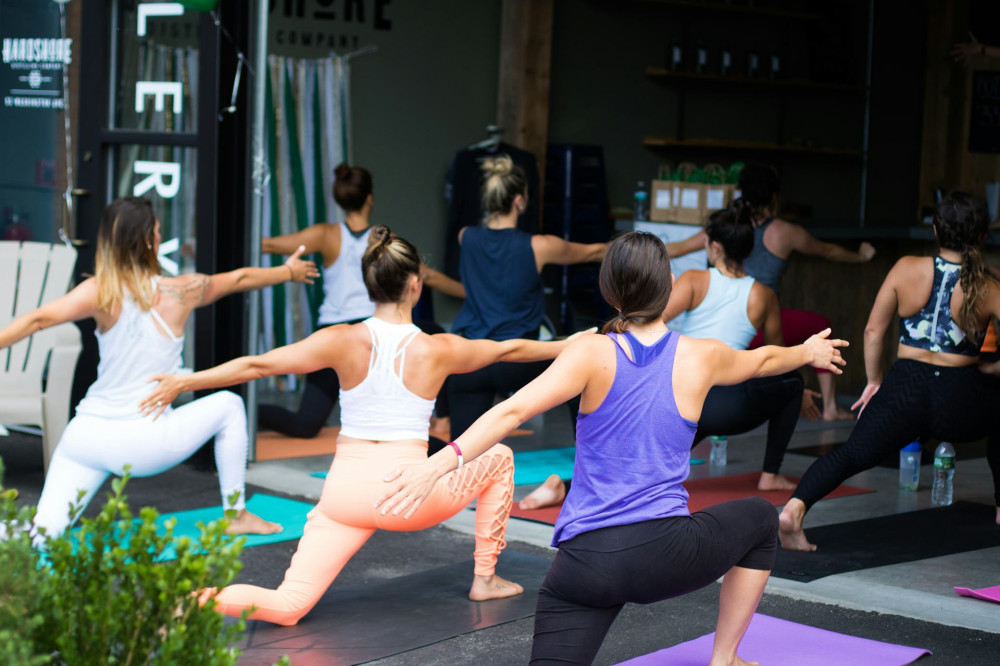
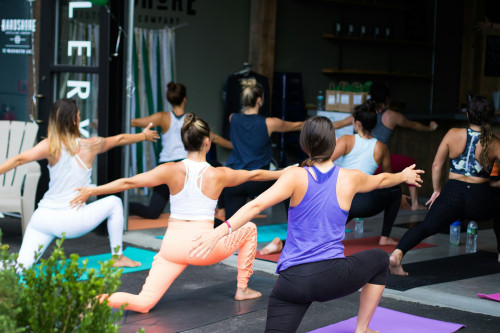
Dynamic styles of yoga — such as vinyasa, ashtanga, or power yoga — strengthen the body, improve flexibility, and boost circulation. Unlike many other forms of exercise, yoga emphasizes awareness in movement. You move with your breath as your guide, allowing each posture to unfold with focus and calm.
This mindful approach to activity can counterbalance the hectic energy of daily life. When you move with awareness, your practice becomes more than a workout — it becomes a mental reset, a space where thoughts settle and clarity returns.
Læs også:
Rest as an Active Practice
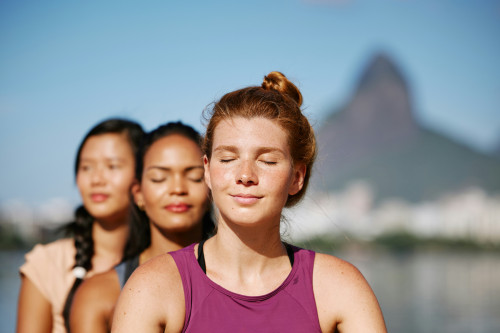
Rest is just as essential to yoga as movement. In poses like Savasana (corpse pose) or Balasana (child’s pose), the body has a chance to release tension and integrate the benefits of the practice. These moments of stillness are not passive; they are opportunities for the body to restore energy and the mind to find clarity.
Many people underestimate the power of rest, but in yoga, rest is seen as an active process — a time when healing and renewal take place. By practicing letting go on the mat, you also learn to take breaks in everyday life without guilt.
Creating Balance in Your Daily Routine
You don’t need hours on the mat to feel the benefits of yoga. Small, consistent moments can make a big difference:
- Begin your morning with a few sun salutations to awaken your body and set a positive tone for the day.
- Take short breaks throughout the day to focus on your breath and release tension in your shoulders and neck.
- End your evening with gentle stretches or meditation to help your body and mind unwind before sleep.
- Listen to your body — some days call for movement, others for rest. Both are equally important.
By weaving yoga’s principles into your daily life, you can create a rhythm that feels natural and sustainable — one where you can both accomplish and recharge, move and rest.
Yoga as a Way of Living
Ultimately, yoga is more than a physical practice; it’s a philosophy of life. It reminds us that balance is not a fixed state but a dynamic process. Some days you’ll feel energized, other days tired — and that’s perfectly normal. By accepting this natural variation and meeting yourself with kindness, you can find a deeper sense of peace amid life’s changes.
When you learn to balance activity and rest, yoga becomes more than something you do — it becomes a way of living with greater awareness, vitality, and inner harmony.
Læs også: