Relaxation and Sleep: How Yoga’s Calm Supports Your Recovery

Relaxation and Sleep: How Yoga’s Calm Supports Your Recovery
A good night’s sleep is essential for both body and mind, yet many Americans struggle to unwind after long, demanding days. Stress, screen time, and constant stimulation can make it hard to fall asleep or stay asleep. Yoga’s gentle movements and mindful breathing offer a natural way to calm the nervous system and support recovery. Beyond flexibility and strength, yoga teaches the body how to relax—creating the ideal conditions for deep, restorative rest.
Why Relaxation Is the Key to Better Sleep
When we’re stressed, the body’s “fight-or-flight” response kicks in. Heart rate rises, muscles tense, and the mind stays alert—exactly the opposite of what’s needed for sleep. Yoga’s calming practices, such as slow stretches, conscious breathing, and meditation, help activate the parasympathetic nervous system—the body’s “rest and digest” mode.
With regular practice, your body learns to recognize the signals of calm. This means you can settle down more easily at night and enjoy more consistent, uninterrupted sleep. Many people notice that after just a few weeks of gentle yoga, they feel more relaxed and wake up feeling refreshed.
Yoga Styles That Promote Calm and Recovery
Not all yoga styles are equally suited for sleep. Dynamic forms like vinyasa or power yoga can be too energizing late in the day. Instead, focus on slower, restorative styles that encourage deep relaxation:
- Yin Yoga – Long, quiet stretches held for several minutes. This practice releases tension in connective tissues and soothes the mind.
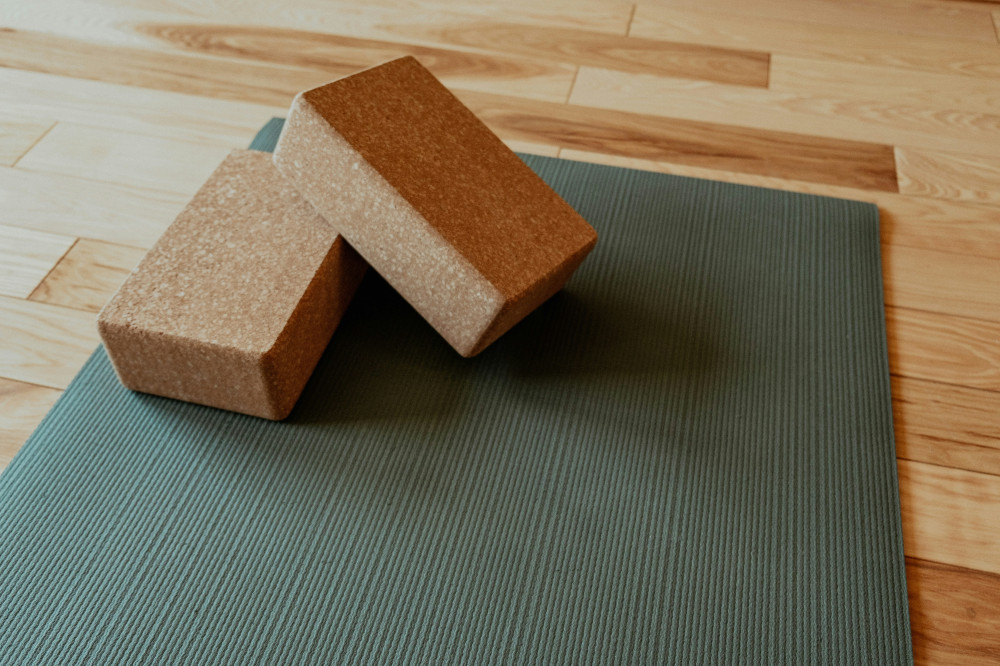
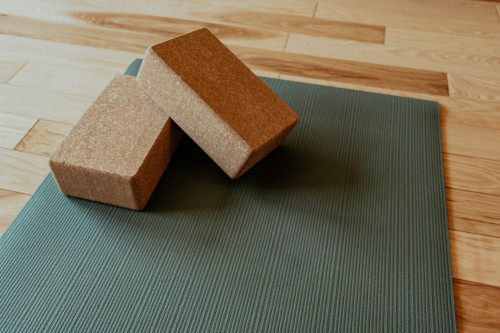
- Restorative Yoga – Supported poses using props like blankets and bolsters. The goal is complete relaxation and stillness.
- Yoga Nidra – A guided relaxation often called “yogic sleep,” which brings you into a state between wakefulness and rest.
These forms can be practiced in the evening as part of your bedtime routine. Even 15–20 minutes can make a noticeable difference in how easily you drift off.
The Breath as a Tool for Calm
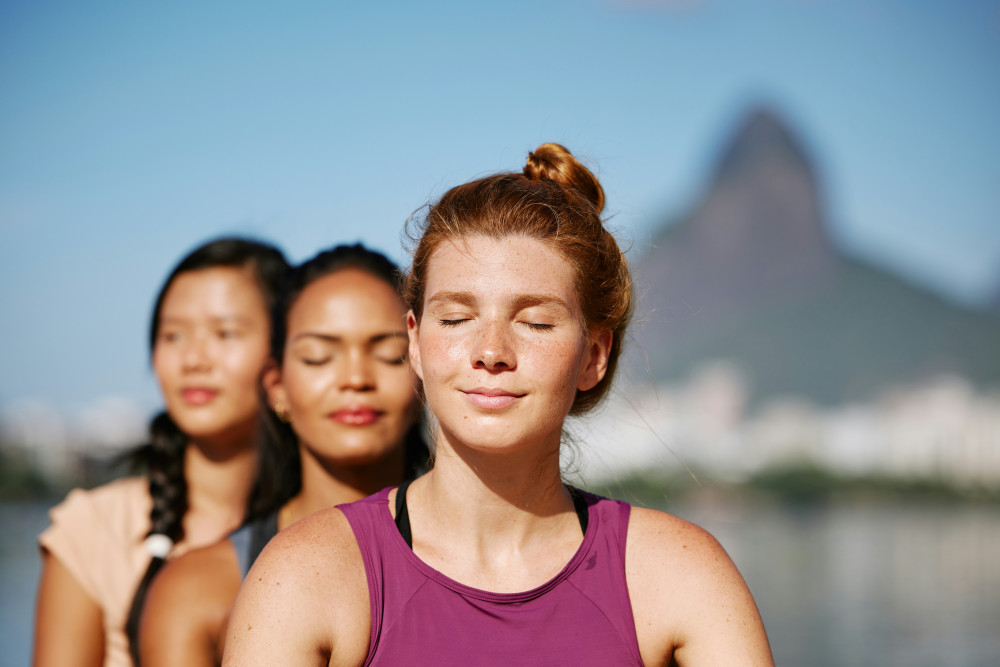
Breathwork is one of yoga’s most powerful tools. Slow, steady breathing signals to the body that it’s safe to relax. Try lengthening your exhale—for example, inhale for a count of four and exhale for a count of six. This simple rhythm lowers heart rate and quiets the nervous system.
Another effective technique is the “4-7-8” breath: inhale for four seconds, hold for seven, and exhale for eight. Repeat a few times while lying in bed. Many find that this helps release the day’s tension and ease the transition into sleep.
Creating an Evening Yoga Routine
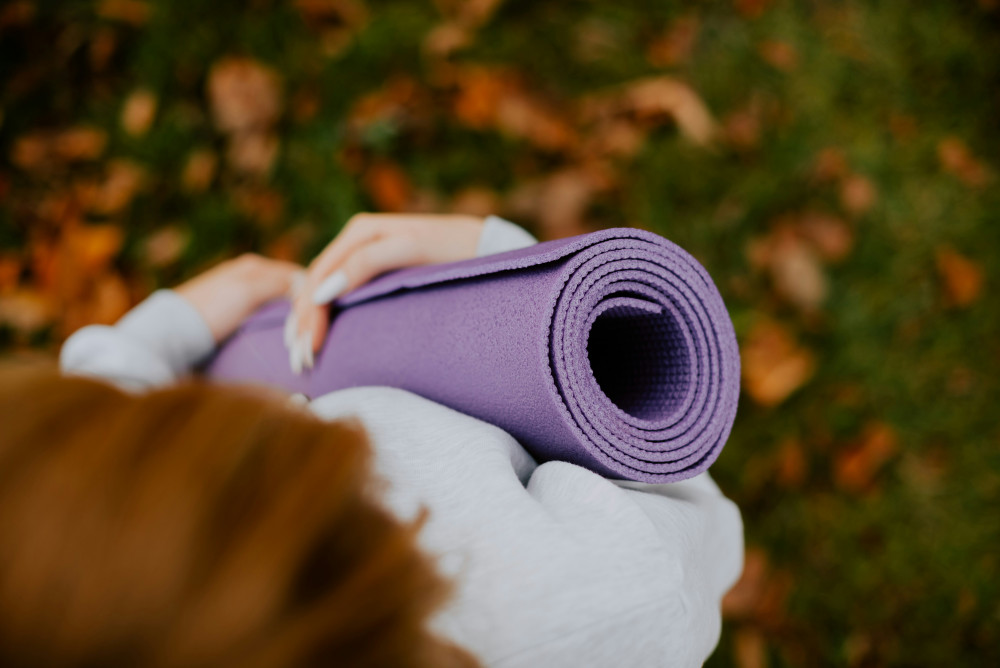
To get the most from yoga’s calming effects, make it a consistent part of your evening. Turn off screens at least 30 minutes before bed, roll out your mat, and move through a few gentle poses—such as Child’s Pose, a reclining twist, or Legs-Up-the-Wall. Finish with a few minutes of quiet breathing or meditation.
The goal isn’t performance but presence. Over time, this routine becomes a signal to your body that the day is ending and it’s time to rest.
Recovery Is More Than Sleep
Sleep is a cornerstone of recovery, but yoga supports the body in other ways too. Gentle movement improves circulation, releases muscle tension, and helps the body recover from physical activity. Mentally, yoga reduces stress and anxiety, which in turn enhances sleep quality.
By combining physical relaxation with mental stillness, you create the best conditions for your body to restore itself—after workouts, long workdays, or emotional strain.
Læs også:
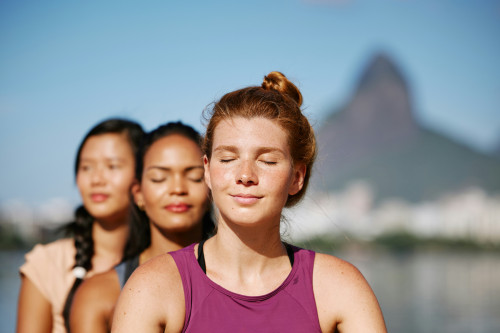
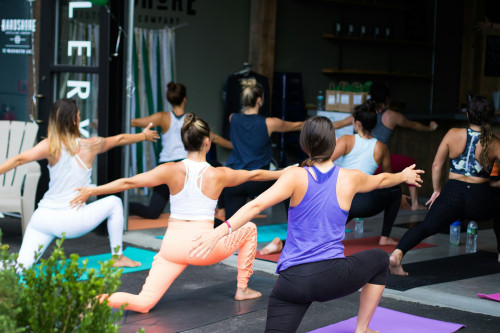
A Calm Body Sleeps Better
Yoga’s strength lies in its holistic approach. It reminds us that sleep can’t be forced—it happens naturally when the body feels safe and at ease. By giving yourself time to slow down, breathe, and reconnect with your body, you set the stage for deep, rejuvenating rest.
So the next time you find yourself restless at night, unroll your mat, take a few mindful breaths, and let yoga’s calm guide you toward peaceful sleep.
Læs også: