Read Your Horse’s Signals: Body Language During Grooming Reveals Discomfort Early

Read Your Horse’s Signals: Body Language During Grooming Reveals Discomfort Early
When you brush, saddle, or pick out your horse’s hooves, your horse is communicating far more than you might realize. Its body language reveals how it feels—both physically and emotionally. Learning to read those subtle signals can make the difference between a calm, cooperative horse and one that becomes stressed or develops behavioral issues. Here’s how to recognize your horse’s signals during daily grooming—and how to respond before small issues turn into big problems.
Body Language Is the Horse’s Voice
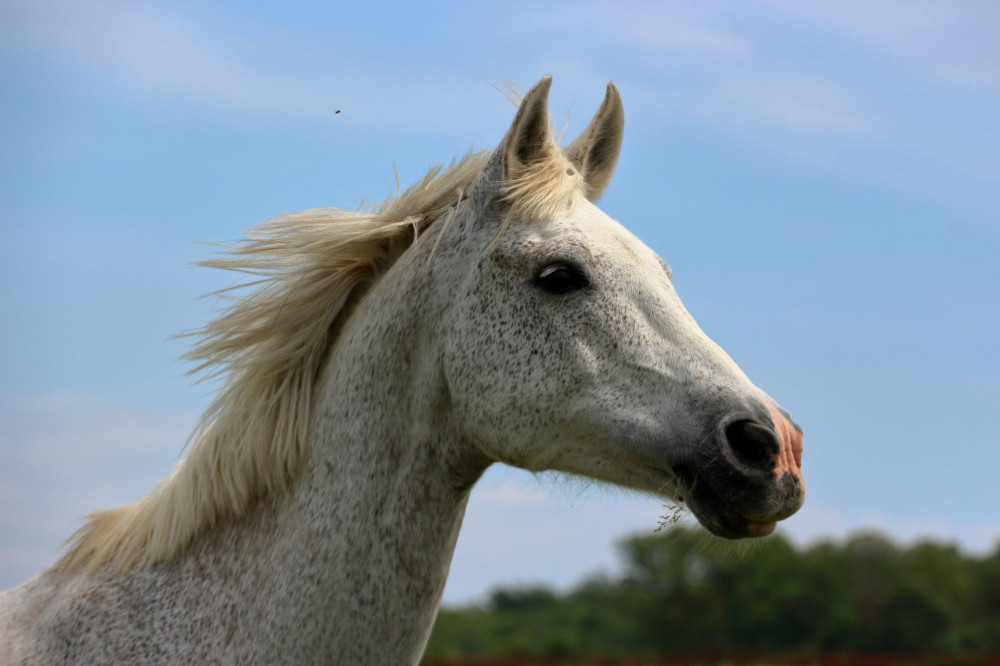
Horses communicate primarily through body language. Ears, eyes, muzzle, tail, and muscle tension all tell a story about their state of mind. Where humans use words, horses use movement and expression. That’s why even small changes in behavior deserve attention.
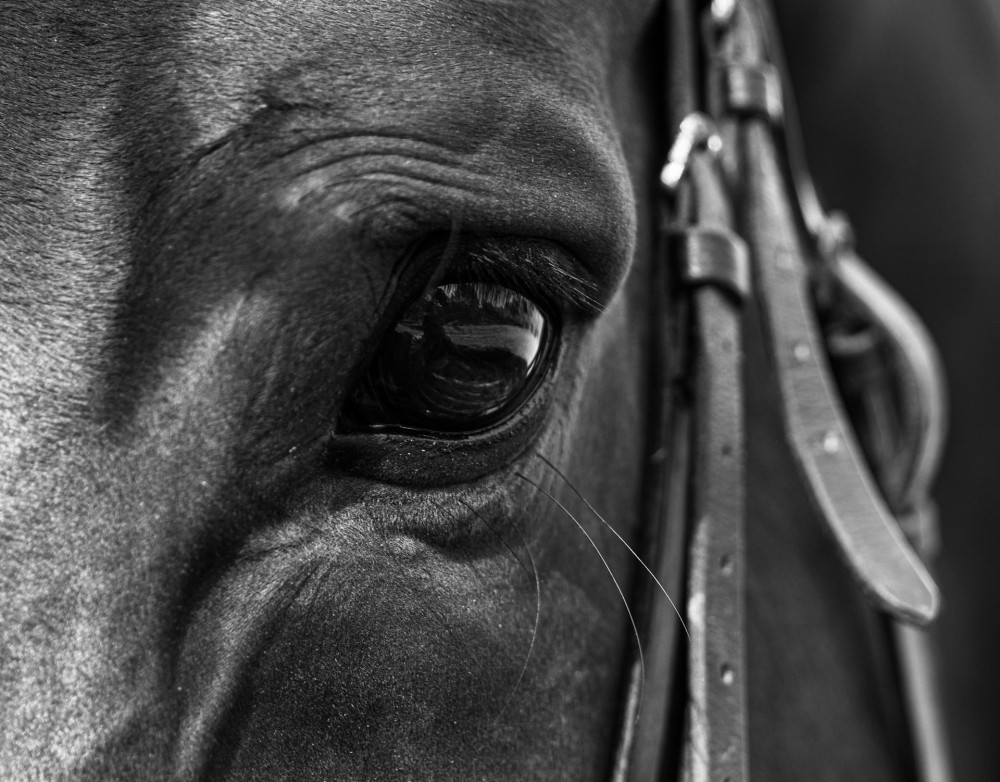
A relaxed horse stands quietly with a soft eye, lowered head, and steady breathing. In contrast, tight muscles, darting eyes, or a swishing tail can signal irritation or discomfort. The better you know your horse’s normal behavior, the easier it is to notice when something feels off.
During Grooming: Small Signs of Big Discomfort
Grooming should be a pleasant experience—a form of social bonding. But if your horse tenses, steps away, or pins its ears, it may be telling you something hurts. The cause could be as simple as a sore muscle or as serious as a poorly fitting saddle.
Watch for:
- Ears – Pinned ears are a clear sign of irritation or pain.
- Head – Turning away or snapping at the brush shows discomfort.
- Body – Tight muscles or shifting away from your touch indicate something doesn’t feel right.
Try adjusting your pressure, switching to a softer brush, or checking for cuts, swelling, or tenderness. If the reaction repeats, consult your veterinarian or an equine bodywork professional to rule out pain or injury.
Læs også:


When Cleaning Hooves: Balance and Trust
Picking up a horse’s feet requires trust and balance. A horse that snatches its leg away, leans, or struggles to stay steady may be sore or uncertain. Sometimes the issue is simply how you’re standing or how you’re supporting the leg.
Stand securely, give your horse time to find its balance, and reward cooperation with calm praise. Avoid scolding if the horse pulls away—patience and consistency build confidence and safety for both of you.
Saddling and Mounting: Critical Moments
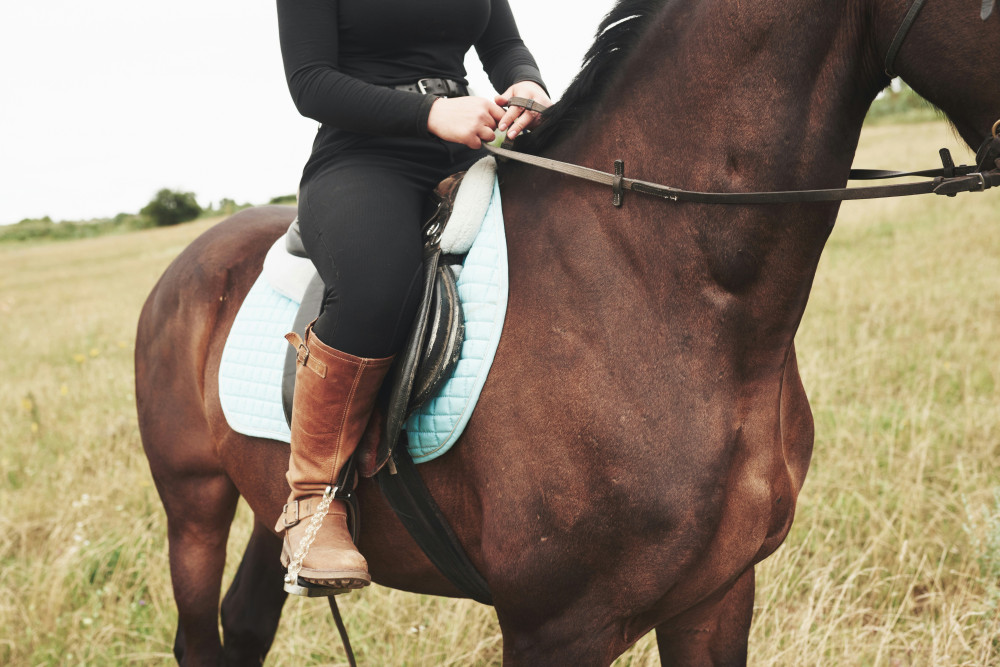
Many horses show clear signals when the saddle goes on or the girth is tightened. They may pin their ears, tense their belly, or step away. This isn’t “bad behavior”—it’s communication. Something may be pinching, rubbing, or pressing in the wrong place.
Check that your saddle fits properly and tighten the girth gradually. If your horse consistently reacts negatively, have a qualified saddle fitter evaluate your tack. An ill-fitting saddle can cause pain, resistance, and long-term behavioral problems.
Seeing the Whole Picture
A single signal doesn’t always mean pain—it’s the overall pattern that matters. A horse might swish its tail to chase flies, but constant tail swishing signals irritation. Likewise, a yawn can release tension, but repeated yawning may indicate stress.
By observing your horse’s body language over time, you’ll learn to distinguish normal habits from signs of discomfort. It takes patience, but it strengthens your partnership and makes you a more attentive horse owner.
Act Early—Prevent Bigger Problems
When you notice early signs of discomfort, you can act before they escalate. That might mean adjusting your grooming technique, changing equipment, or seeking professional help. Horses that feel understood and respected are more willing, relaxed, and trusting.
Reading your horse’s signals isn’t just about avoiding conflict—it’s about empathy. When you listen to your horse’s body language, you show that its comfort matters. That understanding is the foundation of a healthy, trusting partnership between horse and human.
Læs også: