Ride Responsibly: Respect Nature, Animals, and Fellow Riders

Ride Responsibly: Respect Nature, Animals, and Fellow Riders
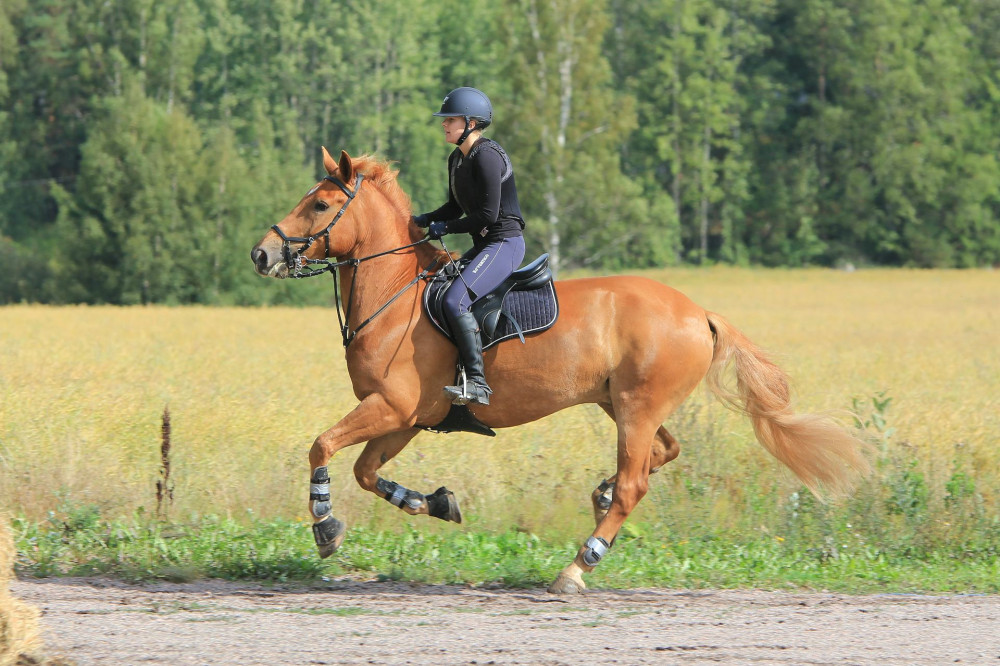
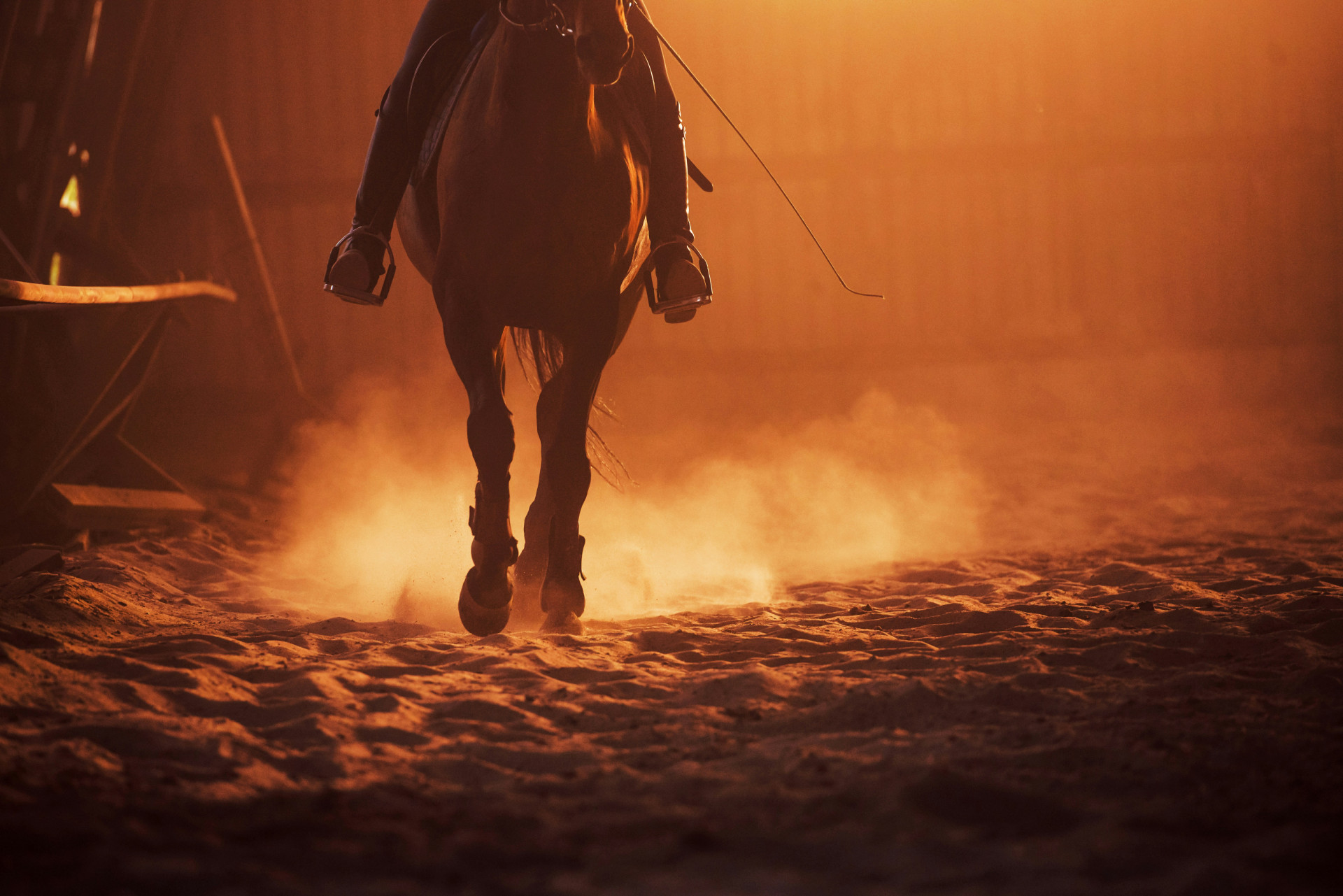
Riding through open landscapes, forest trails, or along the beach is one of the most rewarding ways to experience the outdoors. The rhythm of hooves, the scent of pine and earth, and the quiet partnership between horse and rider create a sense of freedom that few other activities can match. But with that freedom comes responsibility. When we ride in nature, we share the space with wildlife, plants, and other people. To keep these places beautiful and accessible, we must ride responsibly—showing respect for nature, animals, and fellow riders.
Know the Rules Before You Ride
Before heading out, make sure you understand the local and federal regulations that apply to horseback riding in your area. In the United States, rules can vary widely depending on whether you’re riding on public lands, state parks, national forests, or private property.
- On National Park Service lands, horseback riding is allowed only on designated trails.
- Bureau of Land Management (BLM) and U.S. Forest Service areas often welcome riders but may have seasonal restrictions to protect wildlife or prevent trail damage.
- On private land, always obtain the landowner’s permission before entering.
Check trailhead signs and online maps for current information. Riding where it’s not permitted can lead to fines and, more importantly, damage the reputation of the equestrian community.
Protect the Environment
Horses are powerful animals, and their hooves can leave a lasting mark on the landscape. To minimize your impact:
- Stay on established trails, especially after rain or snowmelt when the ground is soft.
- Avoid sensitive habitats, such as wetlands, meadows with nesting birds, or newly restored areas.
- Pack out all trash, including food wrappers, water bottles, and any horse-related waste.
- Close gates behind you to keep livestock and wildlife safe.
Even small acts of care make a big difference. When riders show respect for the land, it helps preserve access for future generations.
Læs også:
Respect Wildlife
The outdoors is home to countless species—from deer and elk to nesting birds and small mammals. Horses can startle wildlife, especially during breeding or nesting seasons. Ride quietly, keep a safe distance from animals, and never chase or approach them for photos.
If your horse becomes nervous around wildlife, stop and give it time to calm down. A calm, patient approach keeps both your horse and the animals around you safe.
Share the Trail with Courtesy
Trails are shared spaces used by hikers, cyclists, dog walkers, and other riders. Good trail etiquette helps everyone enjoy their time outdoors.
- Slow down when approaching others, and announce your presence in a friendly voice.
- Yield appropriately: horses generally have the right of way, but courtesy goes both ways.
- Be considerate of children and dogs, who may be unfamiliar with horses.
- Keep a safe distance between horses to prevent kicking or crowding.
A smile, a wave, or a simple “thank you” can go a long way toward building goodwill among all trail users.
Care for Your Horse and Others
Responsible riding also means looking after your horse’s well-being. Make sure your horse is fit for the terrain and distance you plan to cover. Check that tack fits properly and that your horse is hydrated and comfortable.
When riding in a group, agree on pace and spacing before setting out. Avoid sudden stops or overtaking too closely. If another rider’s horse becomes anxious, give them space and time to regain control. Safety and patience make for a better experience for everyone.
Leave No Trace
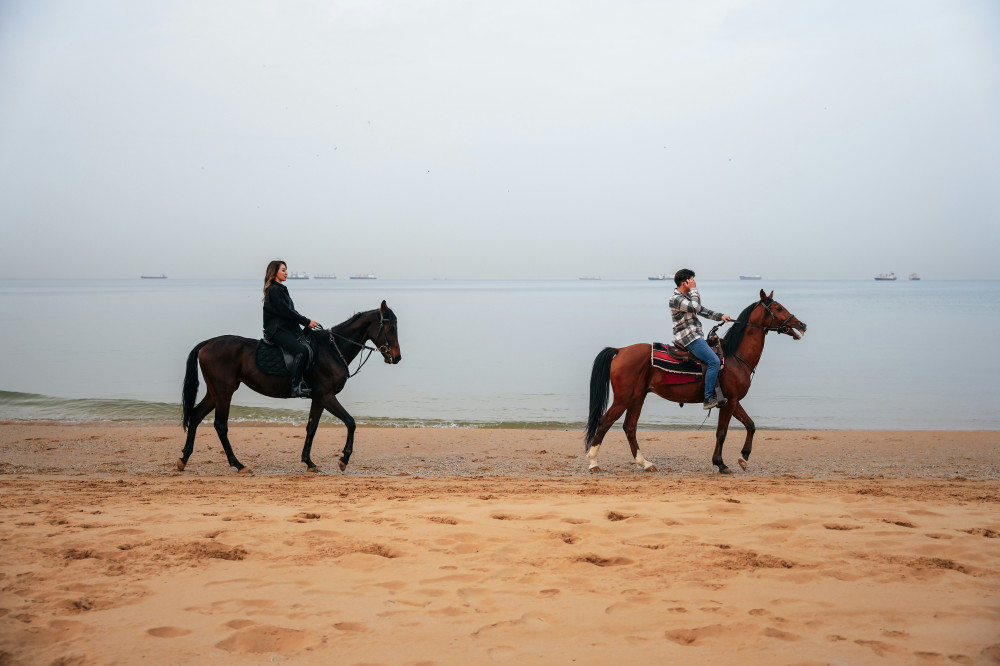
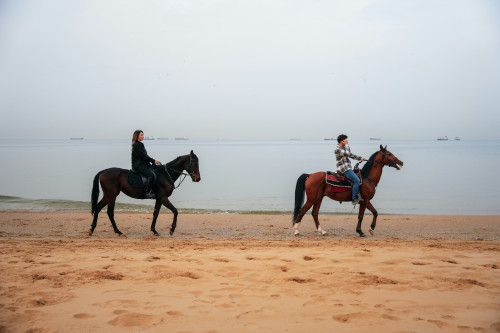
At the end of your ride, take a moment to look around. Have you left anything behind—trash, hay, or hoof prints in fragile areas? A good rule of thumb is that no one should be able to tell you were there. On beaches, avoid riding near swimmers and clean up after your horse. On trails, smooth out any deep hoof marks if possible.
By leaving nature as you found it, you help ensure that riders remain welcome in these spaces.
Responsible Riding Creates Better Experiences
Riding responsibly isn’t about limiting your enjoyment—it’s about making it sustainable. When we respect the land, the animals, and each other, we protect the very things that make riding so special.
So next time you saddle up, remember: a great ride isn’t just about where you go—it’s about how you ride.
Læs også: