The Horse’s Senses – How It Experiences the World Around It

The Horse’s Senses – How It Experiences the World Around It
For thousands of years, horses have lived alongside humans—as partners in work, travel, sport, and leisure. Yet even though we know them well, they experience the world in ways very different from our own. Their senses have evolved to detect danger from afar, read the emotions of herd members, and respond to the smallest cues from their surroundings. Here’s a look at how a horse perceives the world—and how that knowledge can help you as a rider or horse owner.
Vision – Wide Angle and Motion Over Detail
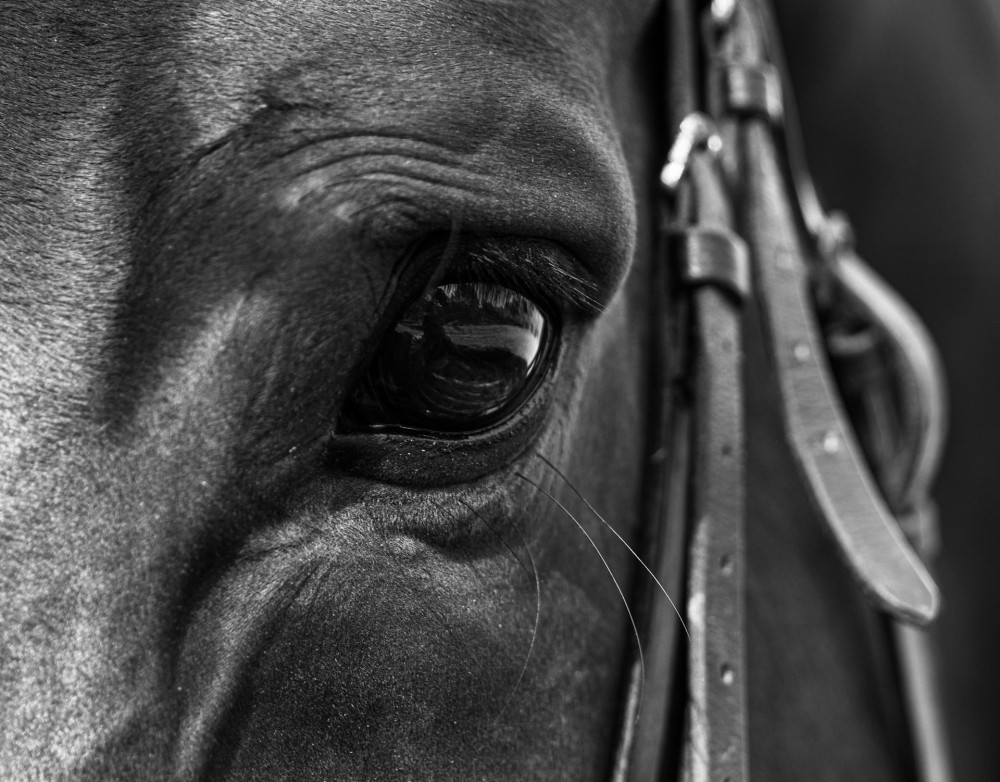
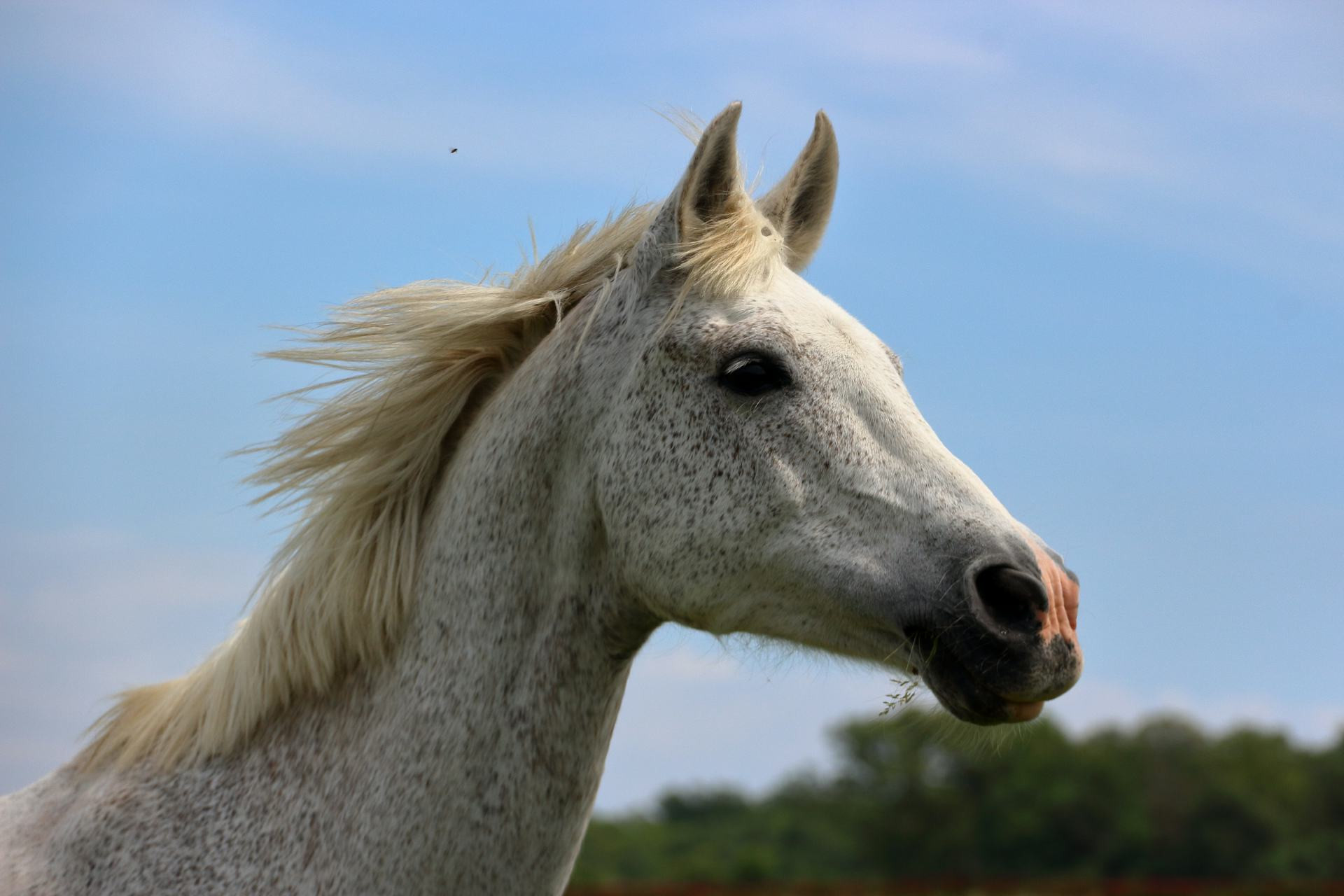
A horse’s eyes are set on the sides of its head, giving it an extraordinary field of vision of nearly 350 degrees. This wide view allows it to see almost all the way around—an essential trait for a prey animal that must spot predators early. However, it also means the horse has small blind spots directly in front of and behind its body. That’s why many horses startle if someone suddenly appears behind them.
Horses are far better at detecting movement than fine detail. They can notice a flicker of motion in the distance but may struggle to judge depth or recognize objects up close. Their color vision is limited compared to ours—they see mainly shades of blue and yellow, but not red. When setting up jumps or choosing tack, it’s worth remembering that what looks bright to you may appear dull or even invisible to your horse.
Hearing – Sensitive to Tone and Direction
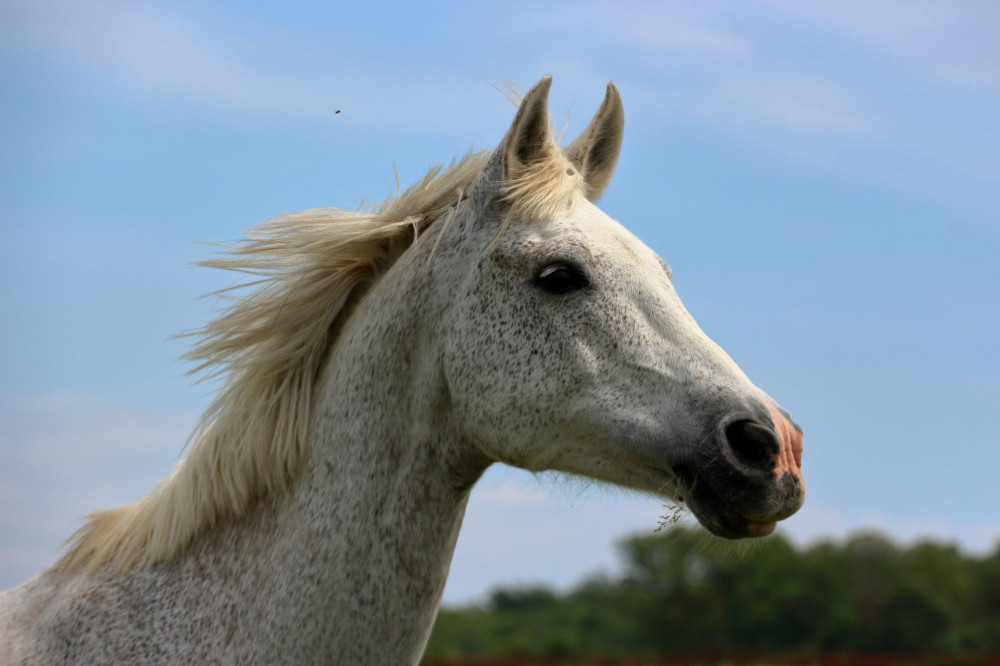
A horse’s ears can swivel almost 180 degrees independently, allowing it to pinpoint where a sound is coming from. Horses hear both higher and lower frequencies than humans, and their hearing is closely tied to their emotions. A sharp tone or sudden noise can make them tense, while a calm, steady voice helps them relax.
As a rider, you can use this sensitivity to your advantage. Speak softly, use consistent sounds, and minimize unnecessary noise in the barn. Horses quickly learn to associate certain sounds with specific actions—feeding time, grooming, or praise.
Smell – Recognition and Reassurance
A horse’s sense of smell is far more developed than ours. It uses scent to recognize other horses, assess food, and determine whether something is safe or threatening. When two horses meet, they often greet each other by sniffing noses—a kind of olfactory handshake.
Horses can also recognize people by their scent, and many respond positively to familiar smells. Using the same grooming products or wearing the same jacket can help your horse feel secure. Smell also plays a key role in reproduction, as mares and stallions communicate through pheromones.
Touch – Communication Through Contact
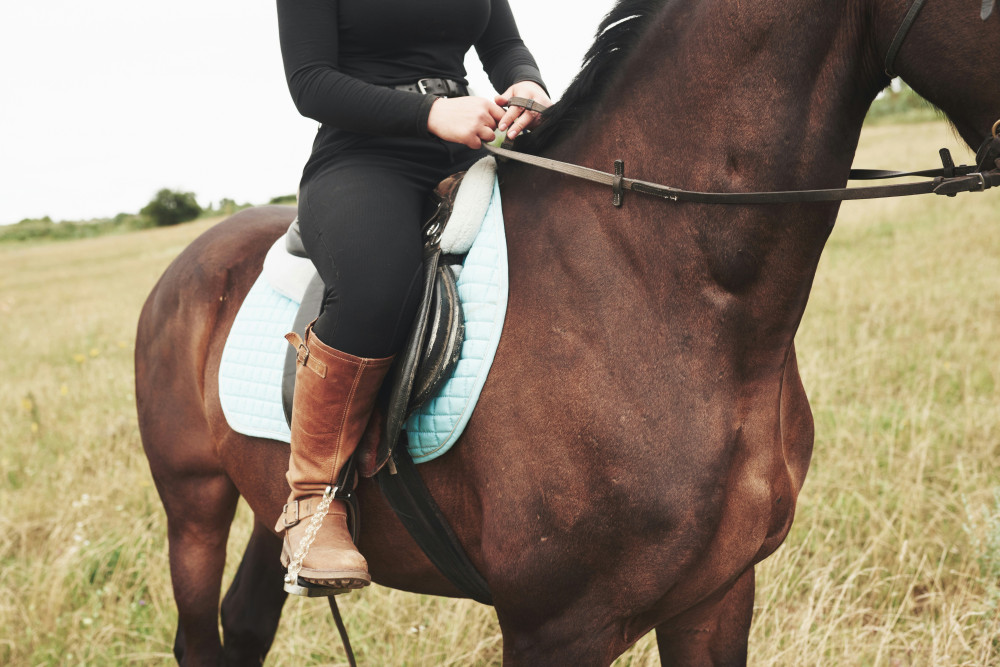
A horse’s skin is highly sensitive, especially around the muzzle, flanks, and withers. It can feel even the lightest touch—whether it’s a fly landing or a rider’s subtle cue. A gentle leg pressure or shift in weight can be enough to signal what you want, provided the horse has learned to listen.
Touch is also vital in social bonding. Horses often engage in mutual grooming—nibbling or rubbing each other’s necks and backs to strengthen relationships. You can mimic this behavior by grooming calmly and giving your horse time to enjoy the contact. It builds trust and relaxation.
Læs også:

Taste – Selective but Curious
As herbivores, horses rely on a keen sense of taste to choose safe and nutritious food. They prefer sweet and mild flavors but quickly reject anything bitter or sour—a natural defense against toxic plants.
When feeding your horse, you can use its taste preferences to make meals more appealing by adding a bit of apple, carrot, or herbs. At the same time, respect its choices: if your horse consistently refuses a certain feed, it may be sensing something you can’t.
The Senses Working Together – A Complete Experience
A horse’s senses work in harmony. It uses sight to detect movement, hearing to locate sounds, smell to recognize individuals, and touch to respond to contact. For a horse, the world is full of subtle signals that humans often overlook.
The more you understand how your horse experiences its surroundings, the easier it becomes to communicate. A calm voice, gentle movements, and respect for its sensory world can make the difference between a nervous horse and a confident one. It’s not just about training—it’s about meeting the horse on its own terms.
Læs også: