Eat Your Way to More Energy and Balance – No Diets or Special Products Needed

Eat Your Way to More Energy and Balance – No Diets or Special Products Needed
Many people think that eating healthy means following strict rules, counting calories, or buying expensive “superfoods.” But finding more energy and balance through food is actually much simpler. It’s about listening to your body, choosing real ingredients, and building habits that last. Here’s how you can feel more energized and balanced—without turning food into a project.
Let Go of the Rules – and Tune In to Your Body
When we try to follow rigid diet plans, we often lose touch with what our bodies are really asking for. We eat according to external rules instead of internal signals.
Try asking yourself a few simple questions throughout the day: Am I hungry, or just tired? Do I need something light, or something more filling?
By practicing this kind of awareness, you can find a natural rhythm—eating when your body needs fuel, not when the clock or an app tells you to.
Læs også:
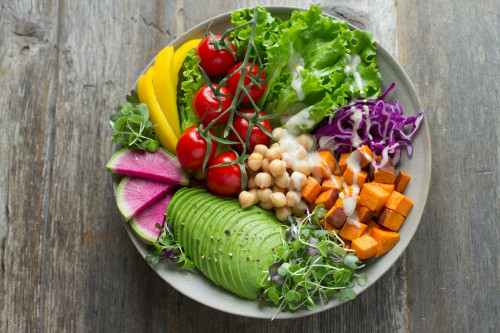
Choose Real Food, Not Products
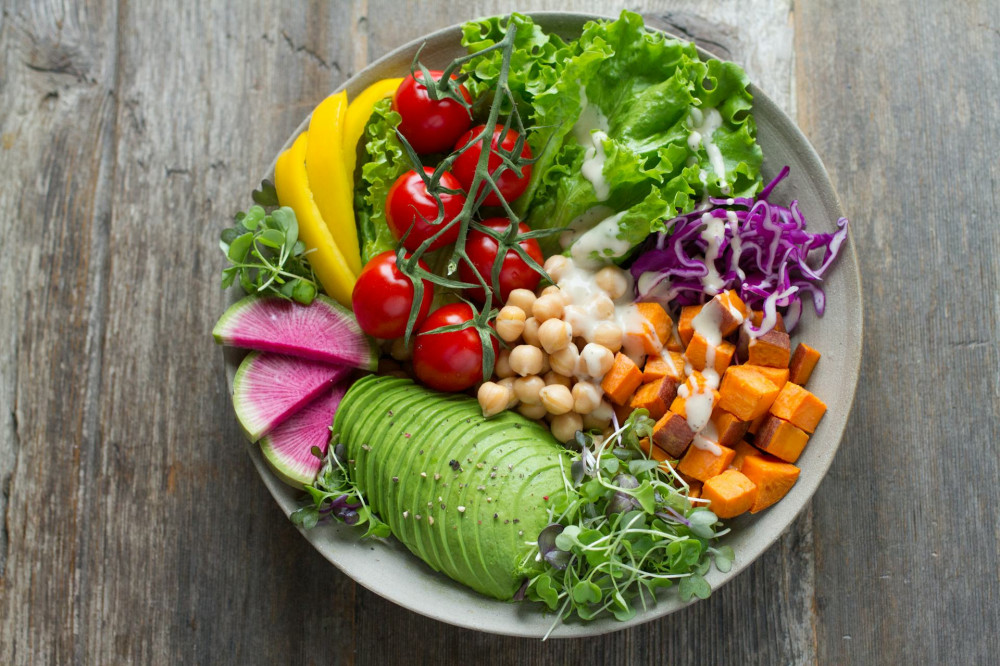
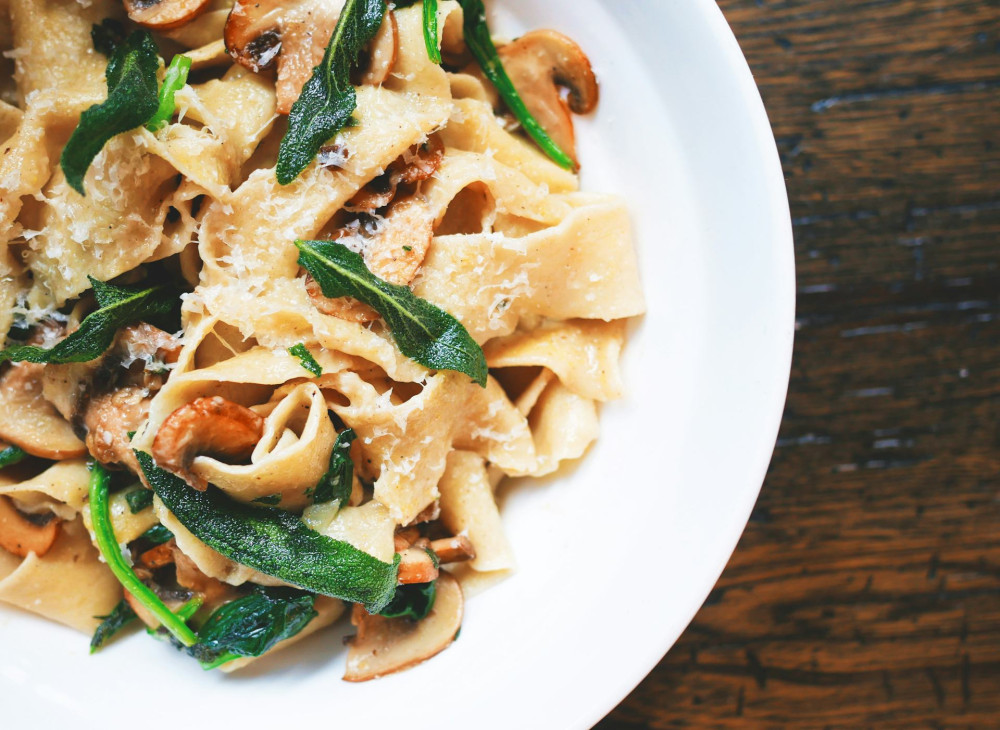
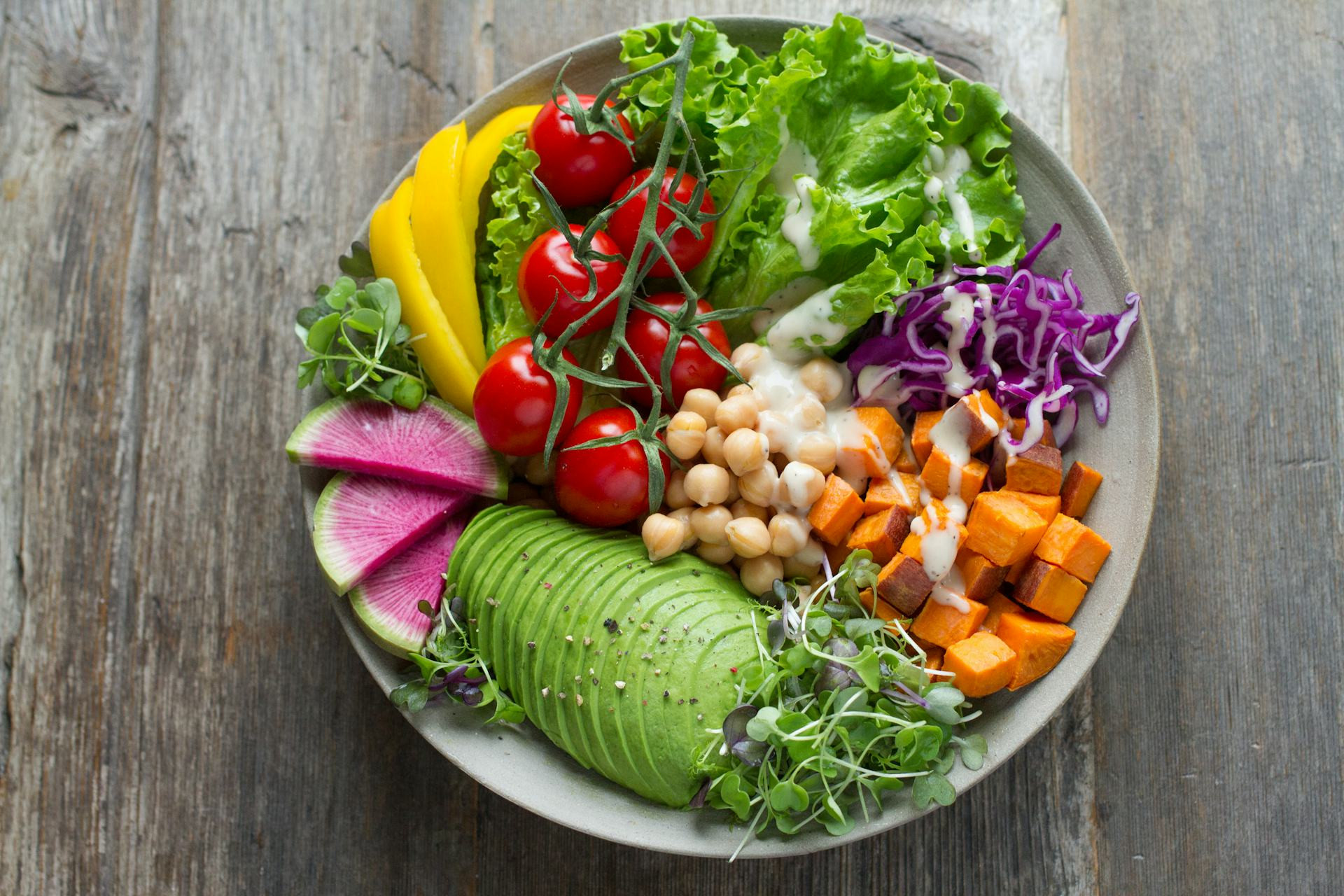
You don’t need protein powders, energy bars, or trendy supplements to feel good. In fact, your body thrives on simple, real food made from whole ingredients. Think in terms of color, texture, and variety rather than calories or restrictions.
- Fruits and vegetables provide vitamins, fiber, and freshness.
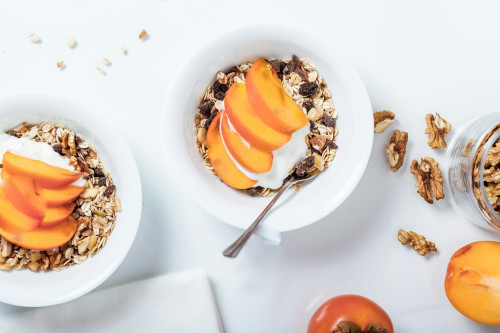
- Whole grains like oats, brown rice, and whole wheat give steady energy.
- Healthy fats from nuts, seeds, avocado, and olive oil support your brain and hormones.
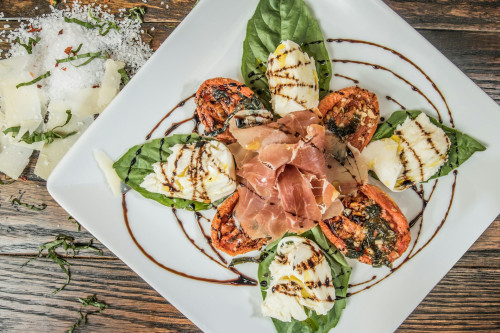
- Protein from fish, eggs, beans, or chicken helps your body recover and stay satisfied.
When you eat food that looks like it came from nature, you get more flavor, more nutrients, and fewer additives. Plus, you can skip reading long ingredient lists.
Build Balanced Meals
Stable energy doesn’t just depend on what you eat—it’s also about how you combine foods. A good rule of thumb is to include something from each of the three main groups: carbohydrates, protein, and fat.
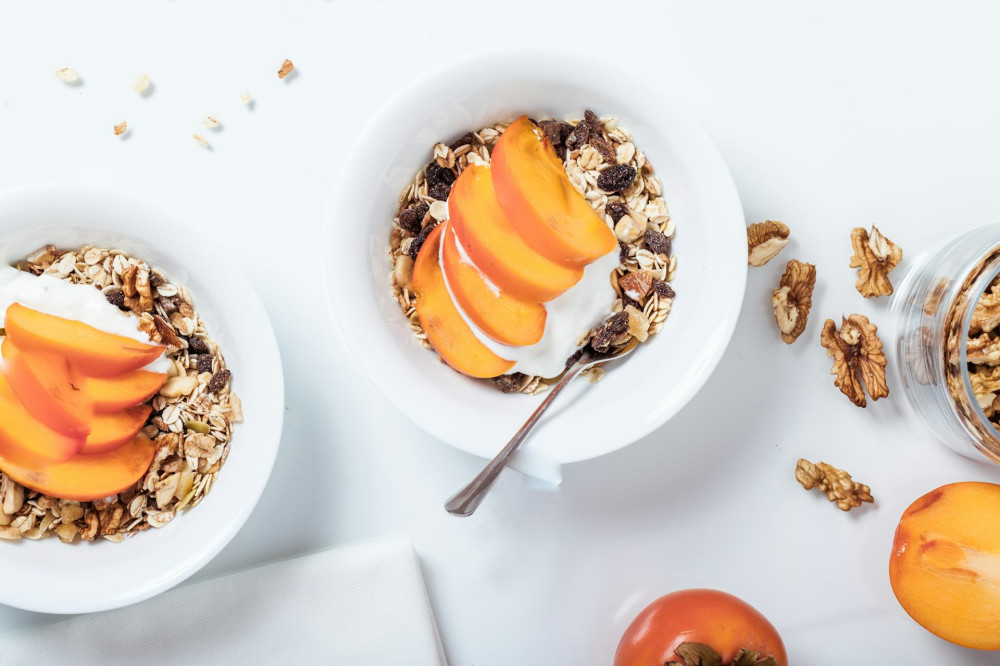
For example, breakfast could be a bowl of oatmeal with berries and nuts, lunch might be a turkey sandwich on whole-grain bread with veggies, and dinner could be salmon with roasted potatoes and a side salad. It doesn’t have to be perfect—just balanced and satisfying.
Meals that fill you up without weighing you down help prevent the energy crashes that lead to sugar cravings and fatigue.
Make Mealtime a Pause, Not a Rush
In a busy day, eating can easily become something we do on autopilot—at our desks, in the car, or in front of a screen. But meals are also a chance to slow down and reset. When you eat mindfully and without distractions, your brain registers that you’re eating, and you feel more satisfied.
Try treating meals as small breaks in your day. Take a few minutes to enjoy the taste, smell, and texture of your food. It may seem like a small change, but it can make a big difference for digestion, mood, and overall well-being.
Energy Comes from More Than Food
Even the best diet can’t do it all. True energy and balance come when food, sleep, and movement work together. Aim for enough rest, drink water throughout the day, and move your body in ways that feel good—whether that’s walking, stretching, dancing, or biking.
When you eat regularly, sleep well, and stay active, your body works with you instead of against you. That’s where real, lasting energy comes from—not from caffeine or quick fixes, but from a body in balance.
Small Steps, Big Results
Eating for more energy and balance doesn’t require an overnight transformation. Start small: eat breakfast, drink an extra glass of water, or add one more serving of vegetables to dinner. Over time, these small choices become habits—and those habits become a lifestyle.
The goal isn’t to follow a perfect plan, but to find a rhythm that fits you and feels natural. When eating well feels easy and enjoyable, that’s when it truly works.
Læs også: