From Weight Loss to Weight Maintenance: Adjust Your Diet and Exercise to Match Your Goals

From Weight Loss to Weight Maintenance: Adjust Your Diet and Exercise to Match Your Goals
Losing weight takes focus, planning, and persistence—but keeping it off can be just as challenging. Many people find that the pounds slowly creep back once they return to old habits. The transition from weight loss to weight maintenance isn’t about stopping your efforts; it’s about adjusting them. Here’s how to fine-tune your eating and exercise routines so you can maintain your results and build a sustainable, balanced lifestyle.
From Calorie Deficit to Energy Balance
During weight loss, you eat fewer calories than you burn. Once you’ve reached your goal, the next step is to find your maintenance level—the point where your calorie intake matches your energy expenditure. This takes some experimentation, but a good rule of thumb is to gradually increase your calories by about 100–200 per day each week until your weight stabilizes.
Weight maintenance doesn’t mean you can eat everything you’ve been avoiding. Instead, it’s about finding a rhythm where you still eat nutritious foods but with a bit more flexibility. That might mean slightly larger portions, more carbohydrates, or an extra snack during the day—whatever fits your lifestyle and keeps you feeling satisfied.
Adjust Your Workouts—But Keep Moving
Exercise plays a key role in weight loss by boosting calorie burn and preserving muscle mass. When you shift to maintenance, you can ease up on intensity or frequency, but it’s important to stay active.
- Strength training helps maintain muscle and keeps your metabolism steady. Two to three sessions per week are often enough.
- Cardio can be adjusted based on your goals—use it to support your energy and mood, not as punishment for eating.
- Everyday movement like walking, biking, or taking the stairs adds up and helps keep your weight stable without extra gym time.
The most important thing is to find activities you enjoy. When movement feels rewarding rather than forced, you’re more likely to stick with it long term.
Navigating Everyday Life
Once you’re no longer chasing a specific weight-loss goal, motivation can dip. That’s why it helps to set new goals focused on well-being rather than the number on the scale. Maybe you want to run a 5K, lift heavier weights, or simply feel more energetic throughout the day.
It’s also normal for your weight to fluctuate a bit. A few pounds up or down can reflect water retention, hormones, or changes in your routine. What matters is catching trends early—small adjustments are much easier than major overhauls later.
Eat Mindfully, Not Restrictively
One of the biggest challenges after weight loss is finding the balance between control and freedom. If you’ve been following a strict plan, it can be hard to transition to a more flexible approach without feeling like you’re losing control.
Try practicing mindful eating:
- Eat when you’re hungry, and stop when you’re comfortably full.
- Enjoy your food without guilt.
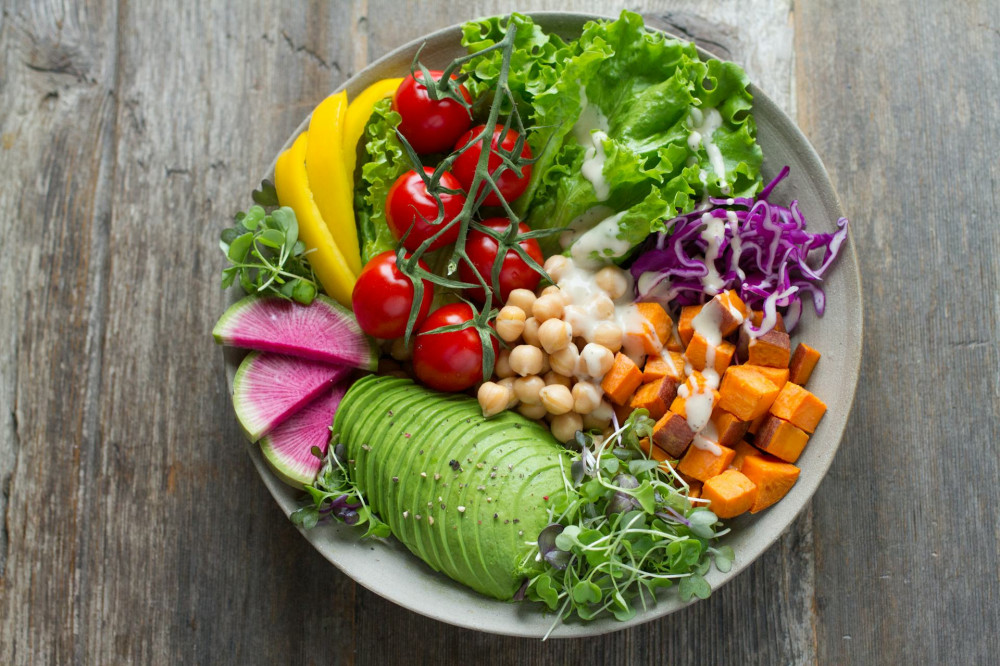
- Choose foods that nourish and satisfy you—there’s room for both vegetables and dessert in a healthy diet.
The goal isn’t perfection; it’s building habits you can live with for the long haul.
The Psychology of Weight Maintenance
Maintaining weight isn’t just about calories and workouts—it’s also about mindset, habits, and emotions. Many people find that losing weight changes how they see themselves. Without the structure of a “diet,” it can feel uncertain or even unsettling.
That’s why mental strategies are key:
- Acknowledge your progress and the effort it took to get here.
- Keep your expectations realistic—you don’t have to be perfect to succeed.
- Seek support if you need it—from friends, family, or a registered dietitian.
Weight maintenance is a process, not a finish line. It takes awareness, but also trust in yourself and your ability to stay balanced.
Læs også:

A Lifestyle, Not a Project
Ultimately, maintaining your weight is about living healthfully without feeling restricted. It’s about finding joy in movement, eating a variety of foods, and giving yourself permission to enjoy life. When your healthy habits become a natural part of your routine—not a temporary project—staying on track feels effortless.
It’s not the big changes that make the difference, but the small, consistent choices you make over time. And that’s why weight maintenance isn’t the end of your journey—it’s the beginning of a more balanced, sustainable relationship with your body.
Læs også: