Fine-Tune Your Diet: How Experienced Athletes Get More Out of Their Workouts


Fine-Tune Your Diet: How Experienced Athletes Get More Out of Their Workouts
If you’ve been training for years, you probably know your routines, your strengths, and your goals. But even seasoned athletes can hit a plateau where progress stalls and energy dips. Often, the issue isn’t the workout itself—it’s the nutrition behind it. Small adjustments in what and when you eat can make a big difference in performance, recovery, and overall well-being. Here’s how to fine-tune your diet so you can get the most out of every session.
Know Your Energy Needs
The more you train, the more important it becomes to understand your energy requirements. Many athletes underestimate how much fuel their bodies actually burn—especially during high-intensity or long-duration workouts. Not eating enough can lead to fatigue, reduced performance, and a higher risk of injury.
A good rule of thumb is to eat enough to maintain a stable weight and consistent energy levels. If you often feel drained, sleep poorly, or lose motivation to train, you might not be eating enough. Tracking your intake for a week or two with an app can help you get a realistic picture of your calorie balance.
Adjust Your Macronutrient Balance
Once you’ve got your total energy intake right, focus on the balance between carbohydrates, protein, and fat. For experienced athletes, small tweaks here can yield big results.
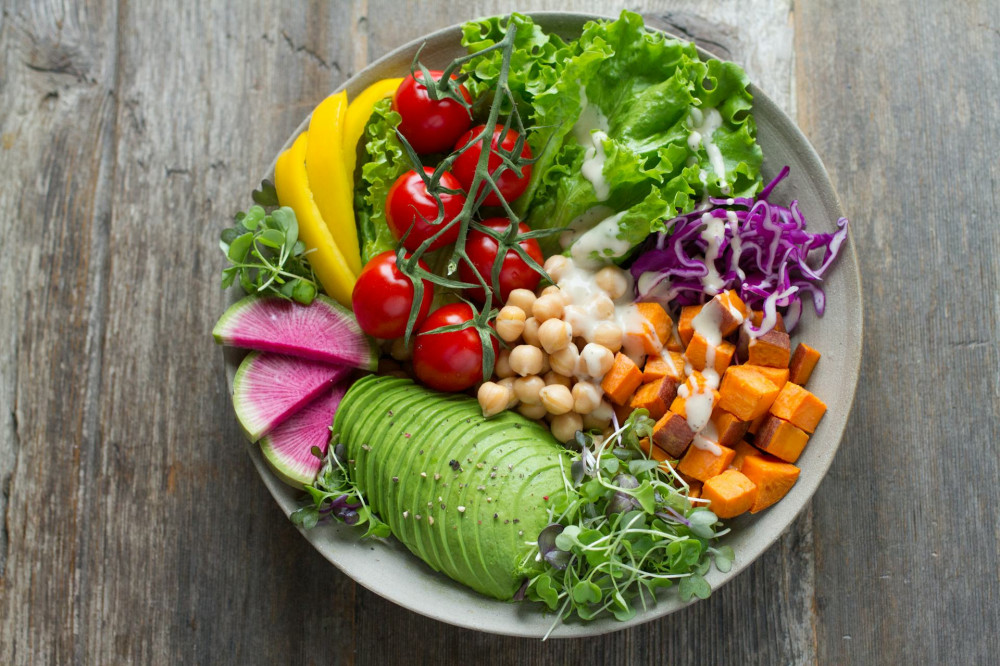
- Carbohydrates are your body’s main fuel source during exercise. Choose high-quality carbs like whole grains, fruits, and vegetables. If you train intensely or for long durations, increase your carb intake on those days to keep your energy up.
- Protein is essential for muscle repair and growth. Spread your protein intake evenly throughout the day—through lean meats, fish, eggs, dairy, or plant-based sources like beans, lentils, and tofu.
- Fats support hormone balance and provide long-lasting energy, especially for endurance training. Focus on healthy fats from nuts, seeds, avocados, and olive oil.
The goal isn’t to follow a rigid diet but to find the balance that fits your body, training style, and goals.
Eat Strategically Before and After Workouts
Timing matters when it comes to optimizing performance. The right pre-workout meal fuels your session, while the right post-workout meal helps your body recover.
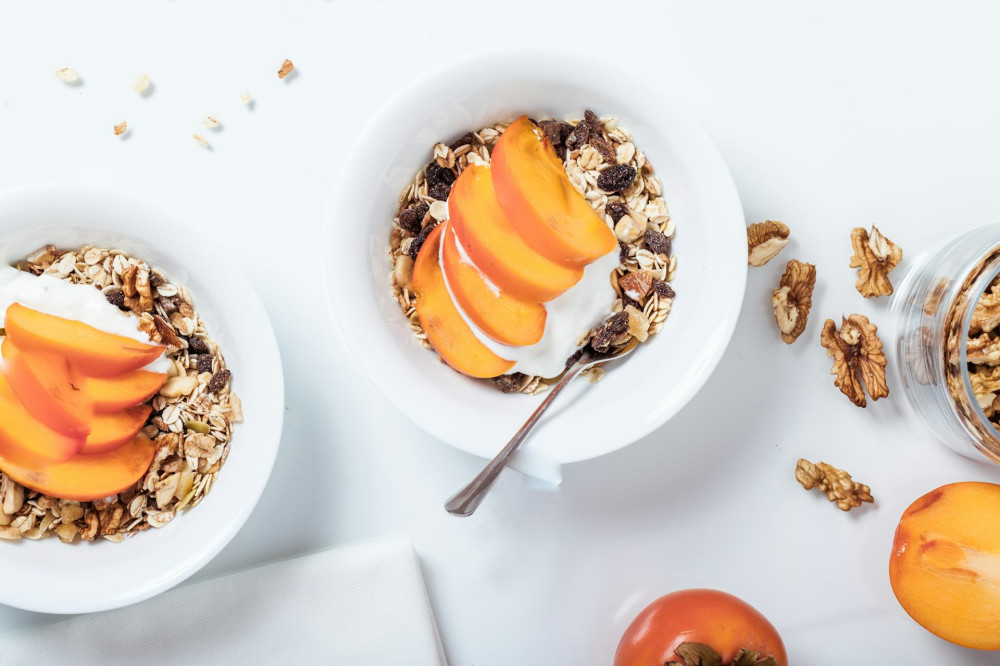
- Before training: Eat a light meal 1–3 hours before your workout, ideally with carbs and a bit of protein. Examples include oatmeal with fruit, a whole-grain sandwich with turkey, or Greek yogurt with berries.
- After training: Refuel within 30–60 minutes. Your body needs carbs to replenish glycogen stores and protein to repair muscles. A smoothie with milk, banana, and protein powder or a meal with rice and chicken are great options.
If you train multiple times a day, post-workout nutrition becomes even more critical—make sure to eat soon after each session.
Hydration: The Overlooked Factor
Even mild dehydration can hurt performance. Many athletes don’t drink enough, especially during long or hot workouts. Drink water regularly throughout the day, and consider electrolyte drinks if you sweat heavily or train in warm conditions.
A simple trick: weigh yourself before and after training. The difference shows how much fluid you’ve lost—and how much you should replace. As a general guideline, drink about 24 ounces (roughly 700 ml) of fluid for every pound lost during exercise.
Match Your Diet to Your Training Cycle
Experienced athletes often plan their training in phases—focusing on strength, endurance, or competition. Your diet should follow the same logic.
- During building phases, slightly increase your calorie intake to support muscle growth.
- During competition or performance phases, emphasize easily digestible carbs and optimal hydration.
- During recovery phases, reduce calories slightly but keep protein intake high to preserve muscle mass.
By aligning your nutrition with your training load, you’ll avoid both over- and under-fueling.
Supplements: When They Make Sense
Most athletes can meet their needs through a balanced diet, but supplements can be useful in certain cases. Protein powder is convenient if you struggle to hit your daily protein target. Creatine can boost strength and power, while omega-3 fatty acids may support recovery and joint health.
Be selective—many products promise more than they deliver. Use supplements to fill gaps, not to replace real food.
Læs også:


Listen to Your Body and Stay Flexible
Even the best nutrition plan needs to evolve. Your body changes with age, training volume, and lifestyle. Pay attention to the signals: if you’re constantly tired, moody, or losing motivation, something might need adjusting.
Fine-tuning your diet isn’t about perfection—it’s about balance. When your nutrition and training work in harmony, you’ll feel stronger, recover faster, and enjoy your workouts more than ever.
Læs også: